since 1976

since 1976
By Lee Pang Seng
FIRST impressions always stick around longer than usual and ours of the GWM ORA Good Cat was on its cute charm as a compact EV (electric vehicle) with its rounded and pleasant profile. That it appears somewhat feminine also slanted our perception a bit although a media road drive in 2022 gave us a better impression of its performance qualities that transcended gender profiling.
And as if to establish the macho side of the ORA range, GWM Malaysia brought in the ORA 7 sports car, also an electrically powered vehicle, in 2024. It might adopt the same rounded body design language but it has elements of Porsche styling input that added to its racy image. Its 4.3-second 0-100km/h run for the more powerful variant underlines its macho character.
Now, a third variant is added to the ORA family. Introduced at the Beijing Automotive Show in April this year, it is a HEV (hybrid electric vehicle) and not a BEV (battery electric vehicle) like the earlier two. GWM obviously wanted to display its technical strength by coming out with a hybrid SUV (sport utility vehicle) it describes as a B-segment crossover.
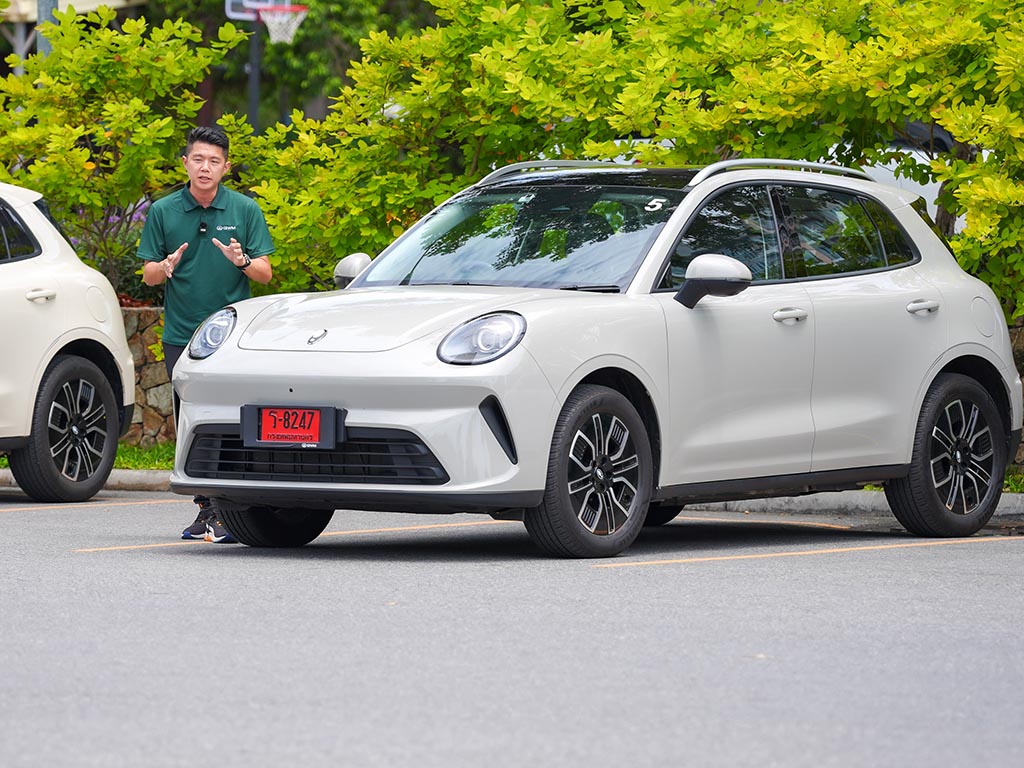
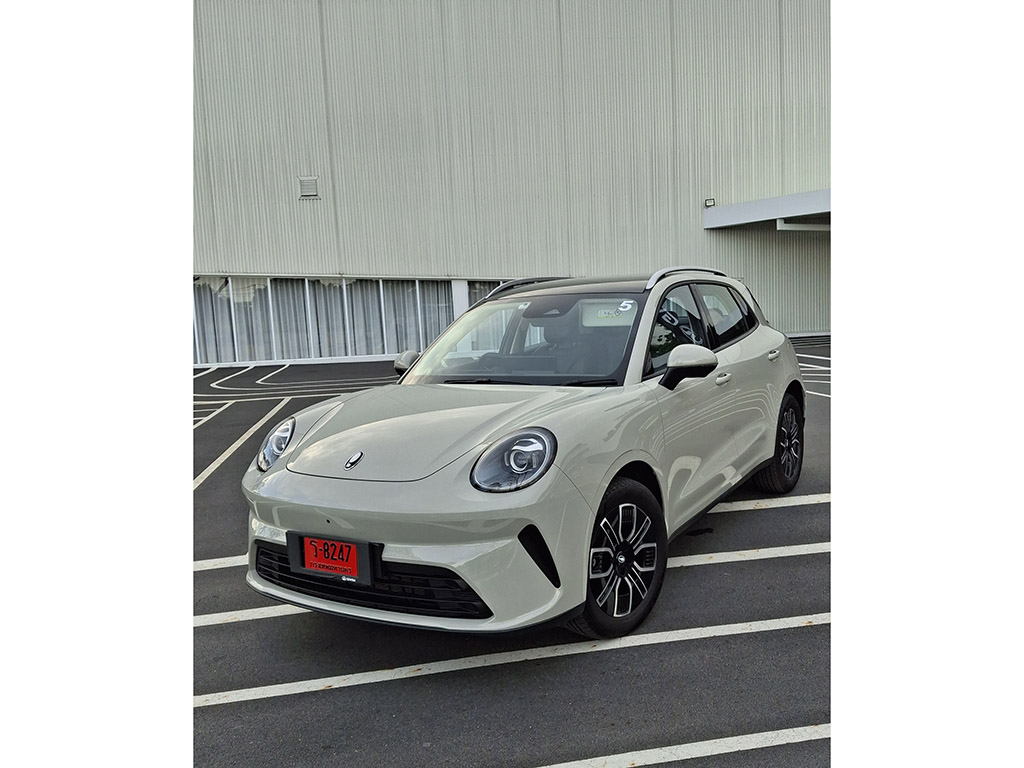
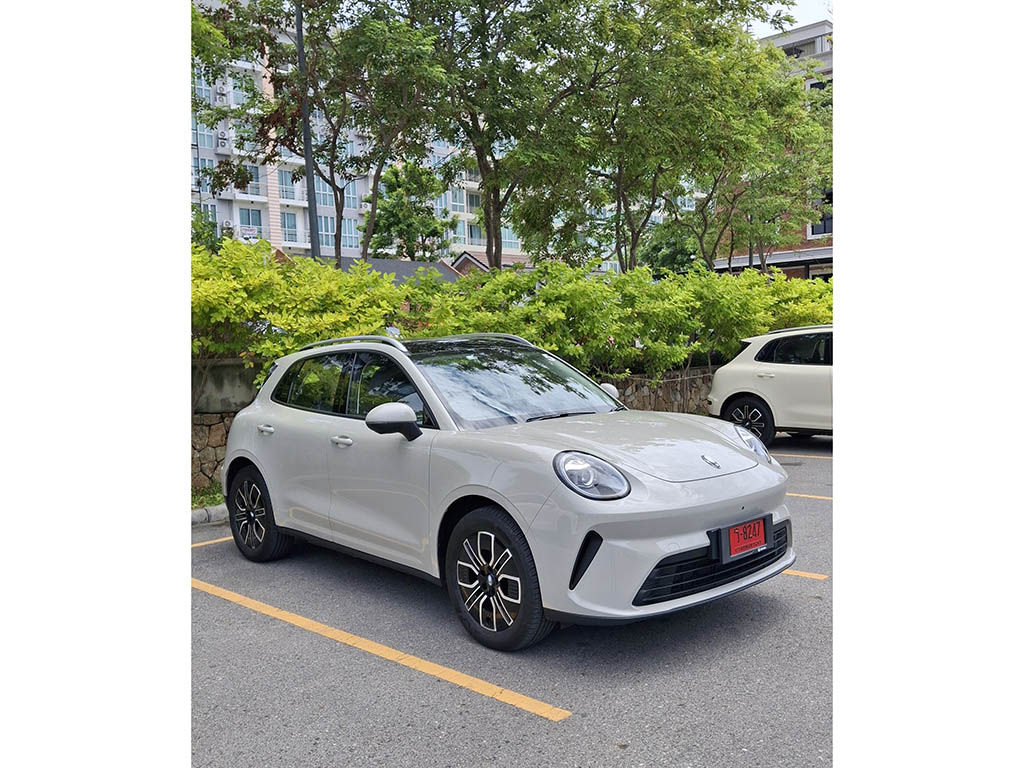
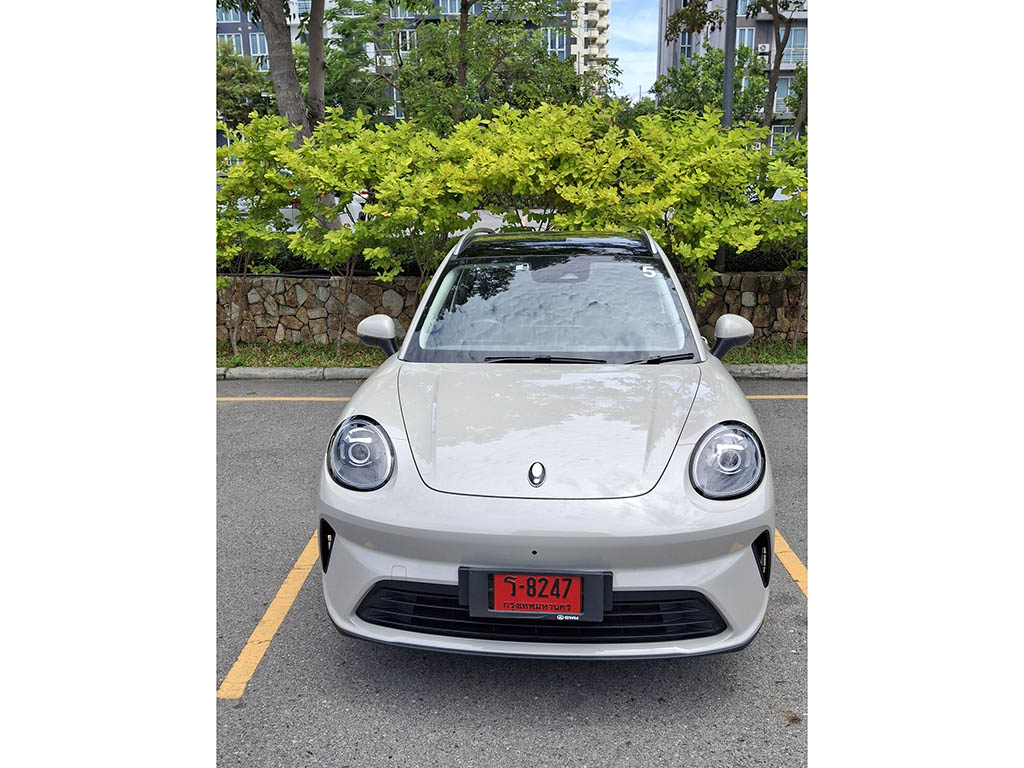
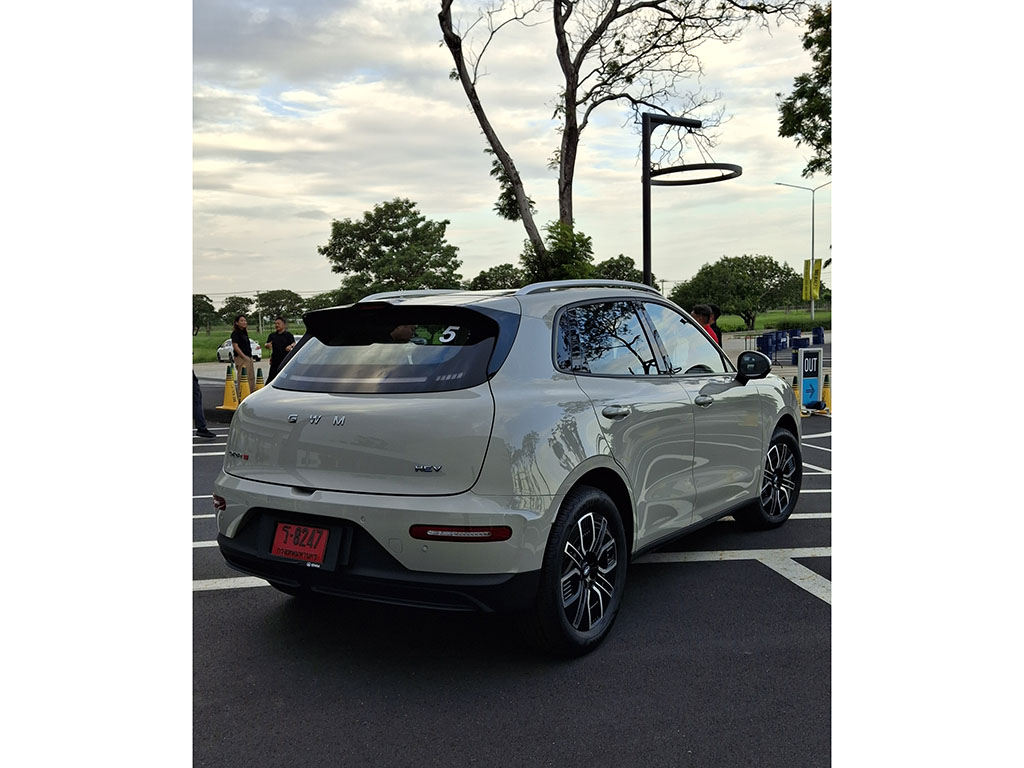
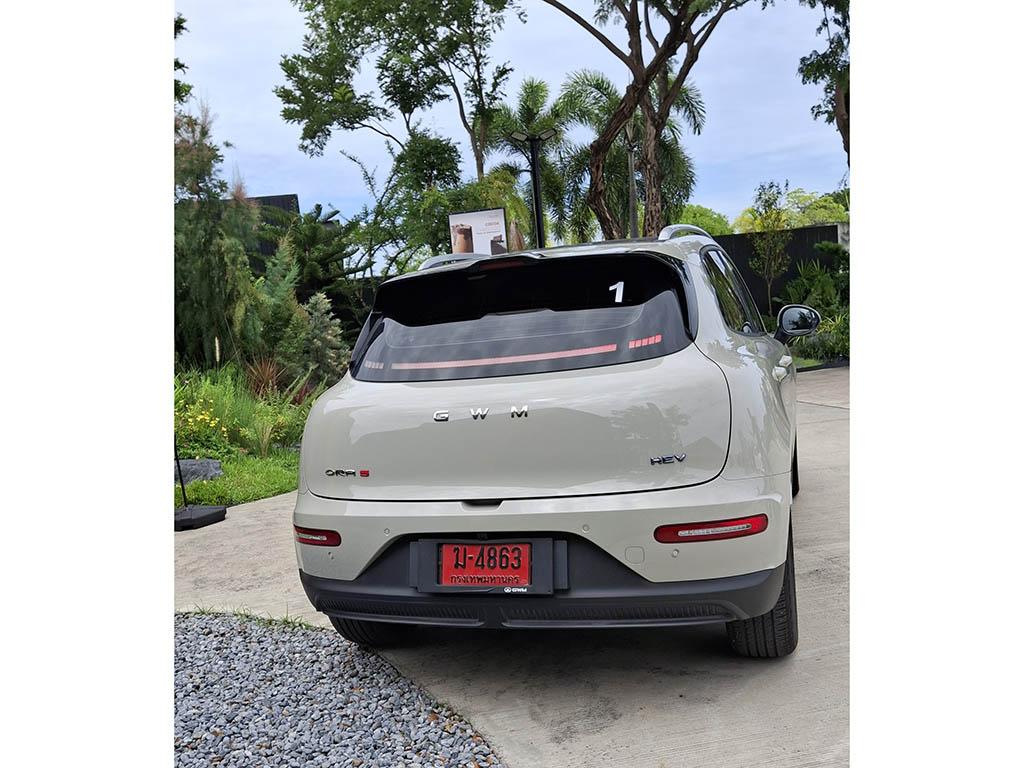
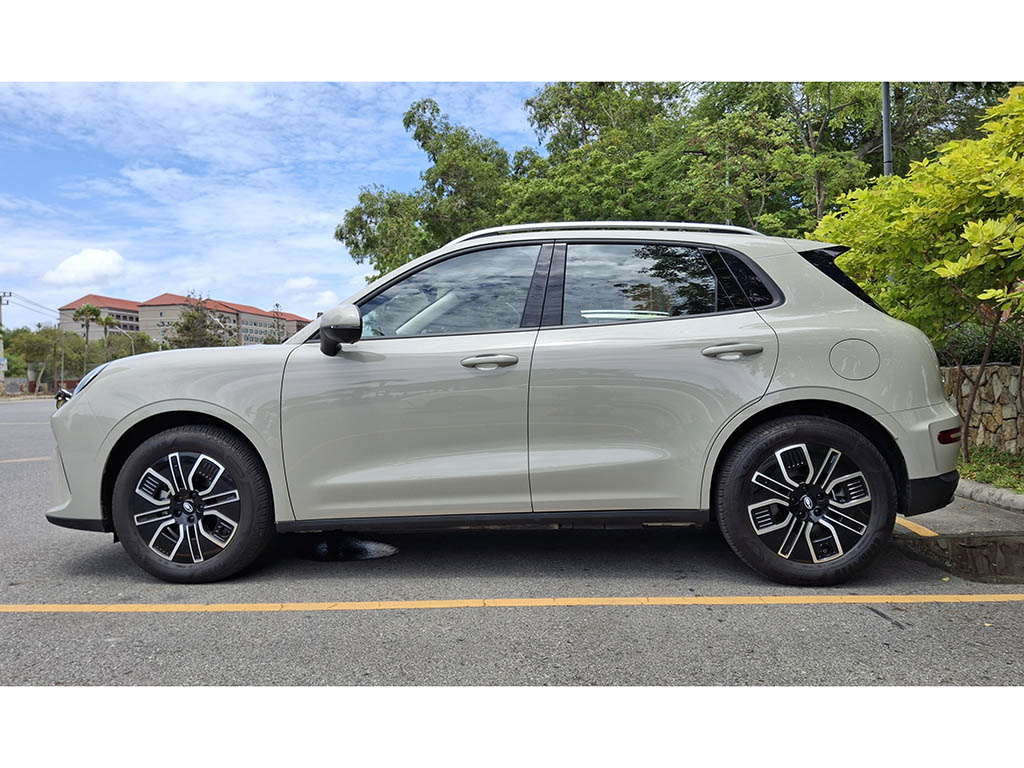
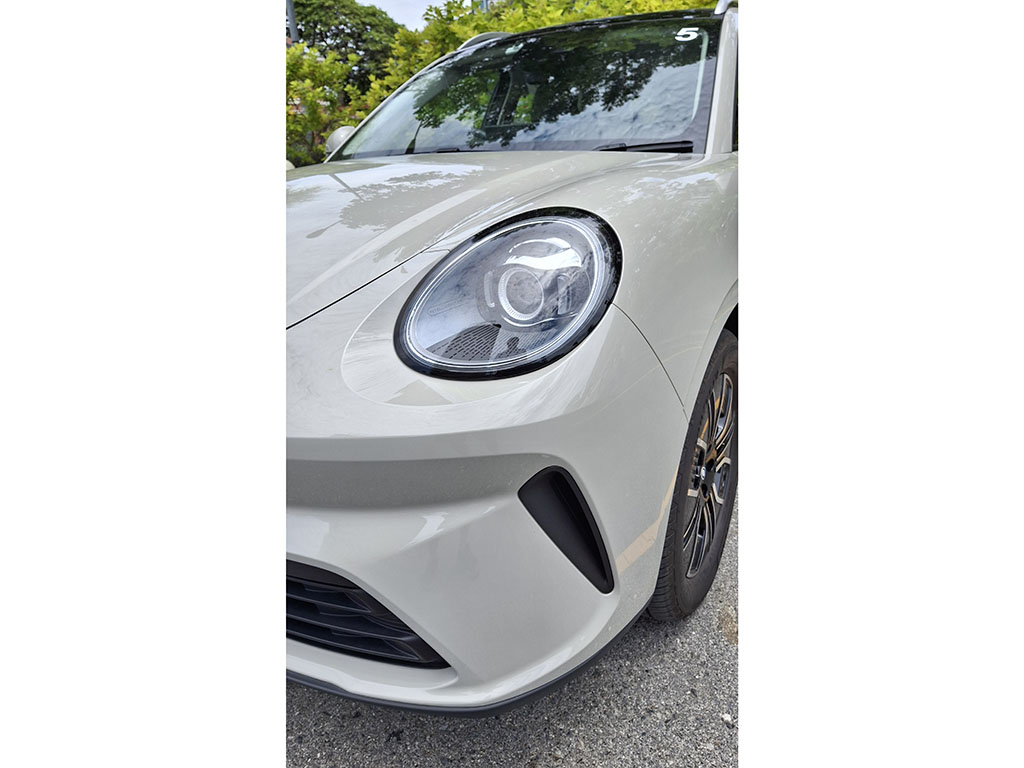
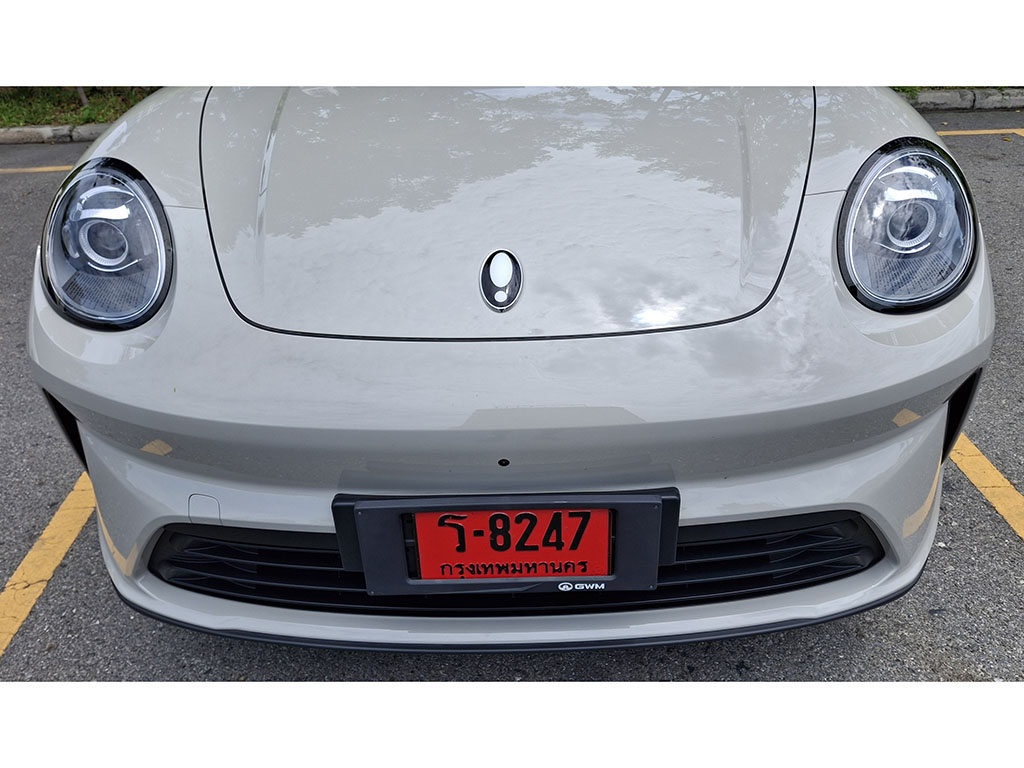
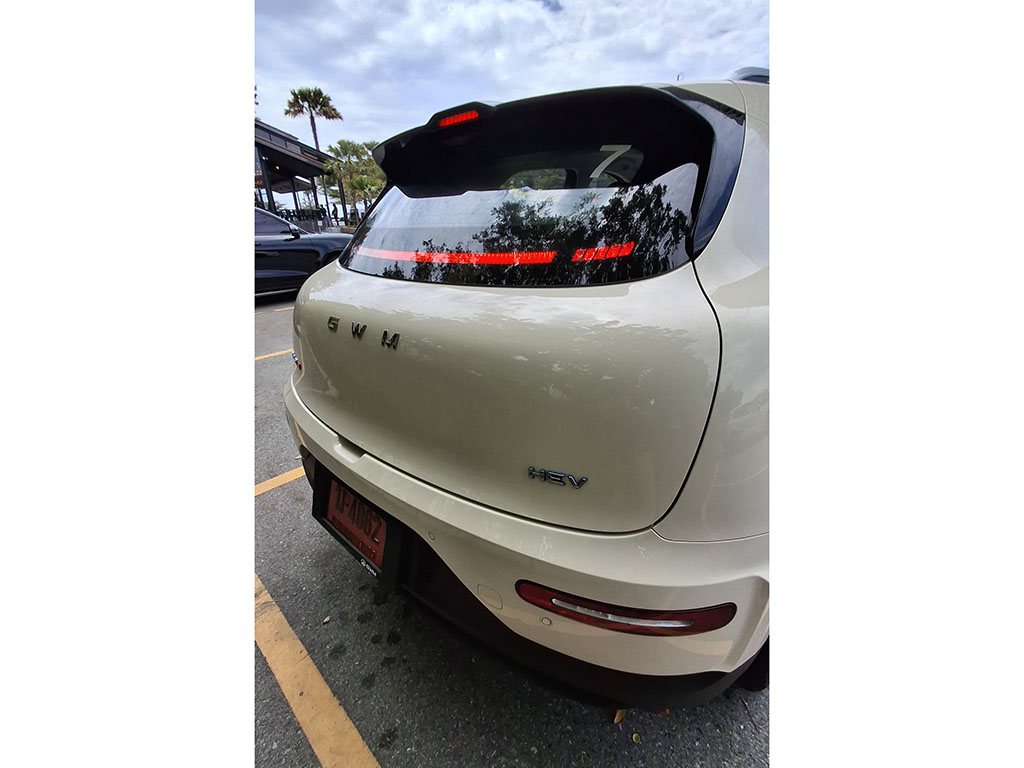
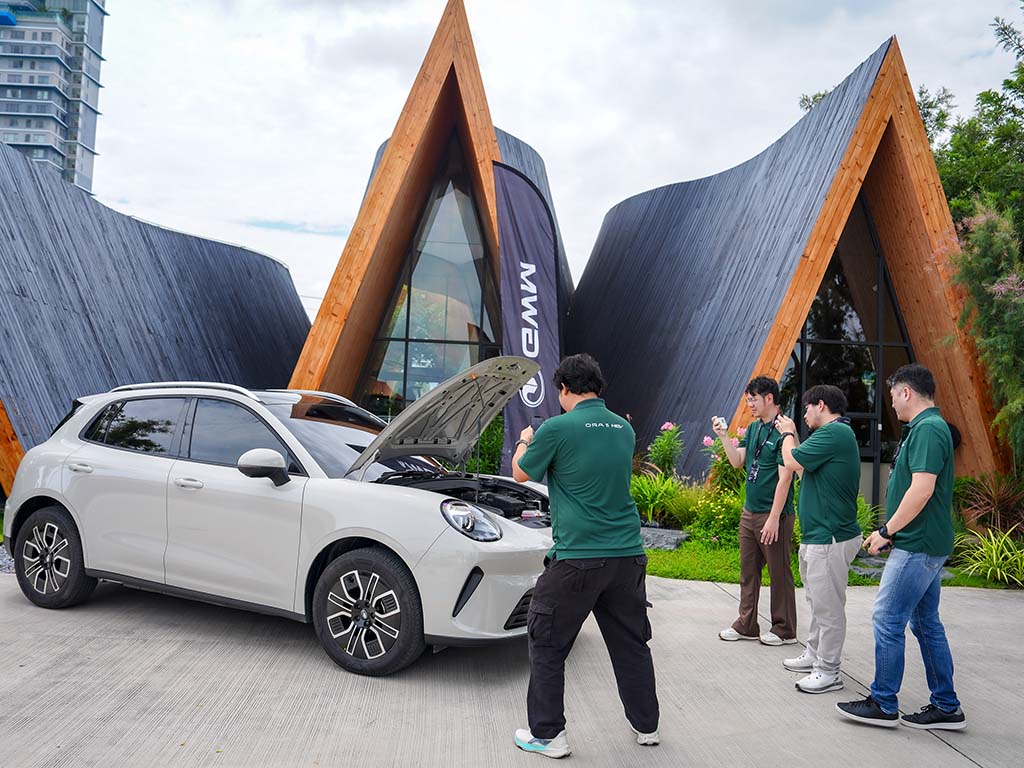
The body styling is unmistakeably ORA, from the two round headlamps, the logo on the bonnet that looks like a bowling pin and a soft flowing outline that has a distinct Porsche influence. Having a body designer who used to work in Porsche in the team would result in somewhat similar styling language being applied.
There is no mention of the aerodynamic quality but the ORA 5 HEV looks almost as slippery in body profile as the ORA 7 sports car despite its taller stance. And with its hybrid powertrain, the ORA 5 HEV is actually faster than the less powerful Long Range Ultra Ora 7 in the 0 to 100km/h sprint at 7.7 seconds against 7.9.
This comes from GWM’s Hi2 Intelligent Hybrid Technology that features a 1.5-litre turbocharged petrol engine and an electric motor powered by a 1.09kWh lithium-ion battery. The combined power output is given as 223PS (164kW) and a whopping 476Nm. Its combined fuel consumption is 4.4L/100km (22.7km/l) and the driving range is more than 1,100 kilometres, good enough to take on the PHEVs (plug-in hybrid electric vehicles).

From the cutaway view of the ORA 5 Crossover, the battery located beneath the rear seats looks almost as big as the 55-litre fuel tank lying beneath the luggage compartment. Typical to hybrid vehicles, there are six modes in which the ORA 5 system operates on. It takes off in EV Mode for instant forward momentum, smooth acceleration and zero fuel consumption.
This is followed by the Series Mode during which the engine generates electricity and the electric motor drives the vehicle; this occurs between 10-50km/h, which is the norm in city driving. Next is the Efficient Parallel Mode that is applied between 50-70km/h, which is still within urban driving, with which the engine drives the front wheels directly and the dual electric motors optimise engine operation for improved efficiency and lower fuel consumption.
With the Direct Drive Mode at above 70km/h, the engine is left to drive the wheels directly without any electric assistance on the highway. There is also the Powerful Parallel Hybrid Mode that comes into play for strong acceleration, overtaking and going up inclines. This mode sees both the engine and dual electric motors working together to provide the necessary push.
The sixth mode is Regenerative Braking, a vital area that recovers energy from one or both electric motors during braking, deceleration and downhill driving. This recharges the battery to a high level so that it could provide the electric power back to the motors and extend the driving range to the best possible.
GWM says that the proof of the pudding is the ORA 5 HEV being awarded a Guinness World Records title recently for fuel consumption by a production hybrid SUV. This was conducted across all ‘direct-administered’ municipalities’ in China during which the hybrid SUV achieved 3.74 L/100km (26.7km/l) after covering 3400km in a ‘real-world driving challenge’.
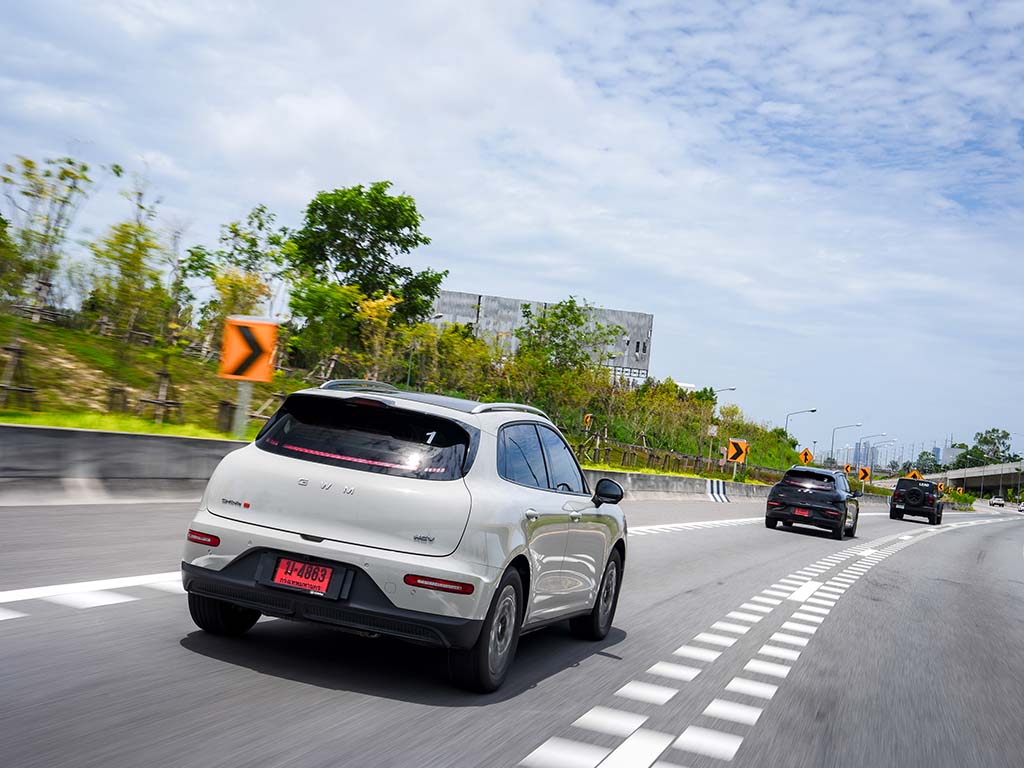
Our media drive in Thailand began in central Bangkok to Pattaya and back, covering about 300 kilometres of mostly highway driving and a 20km-plus detour to some secondary roads. We were supposed to gain insights into five key aspects of the ORA 5 HEV – handling, braking, stability, hill driving and different road conditions.
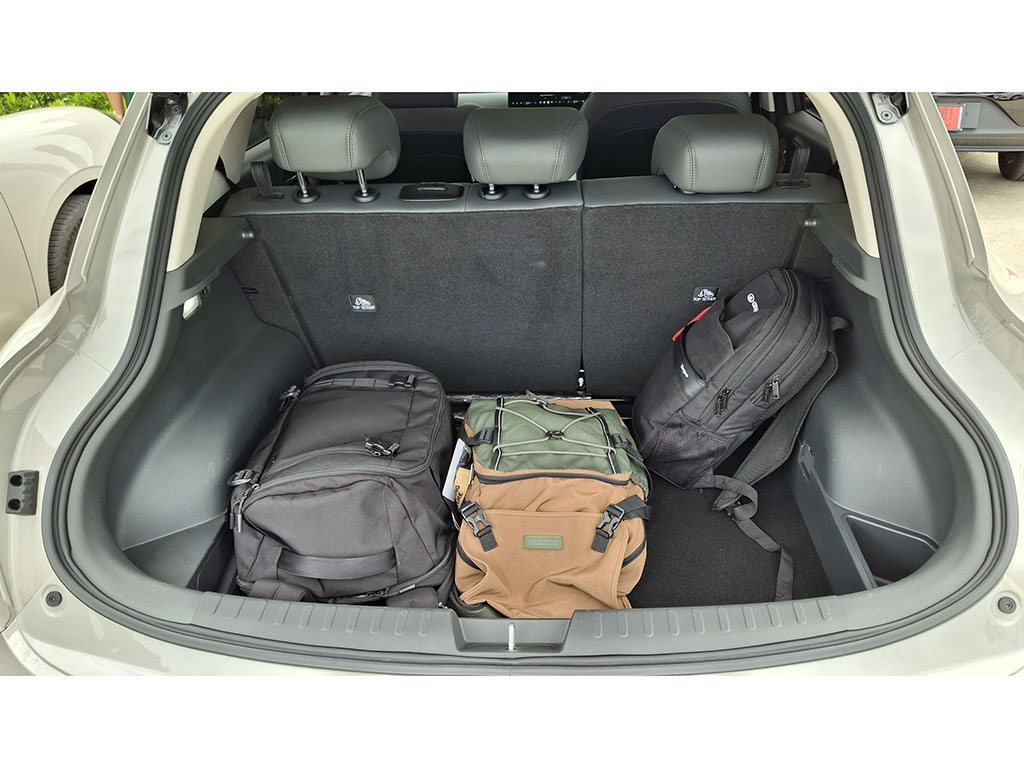
Its ‘professional-grade’ chassis is said to be developed by an ‘international team of experts’ and the suspension system sees a MacPherson strut front and a multi-link rear. The latter is a change from other B-segment SUVs that usually has a Torsion beam rear, which takes up less space and provides better luggage room.
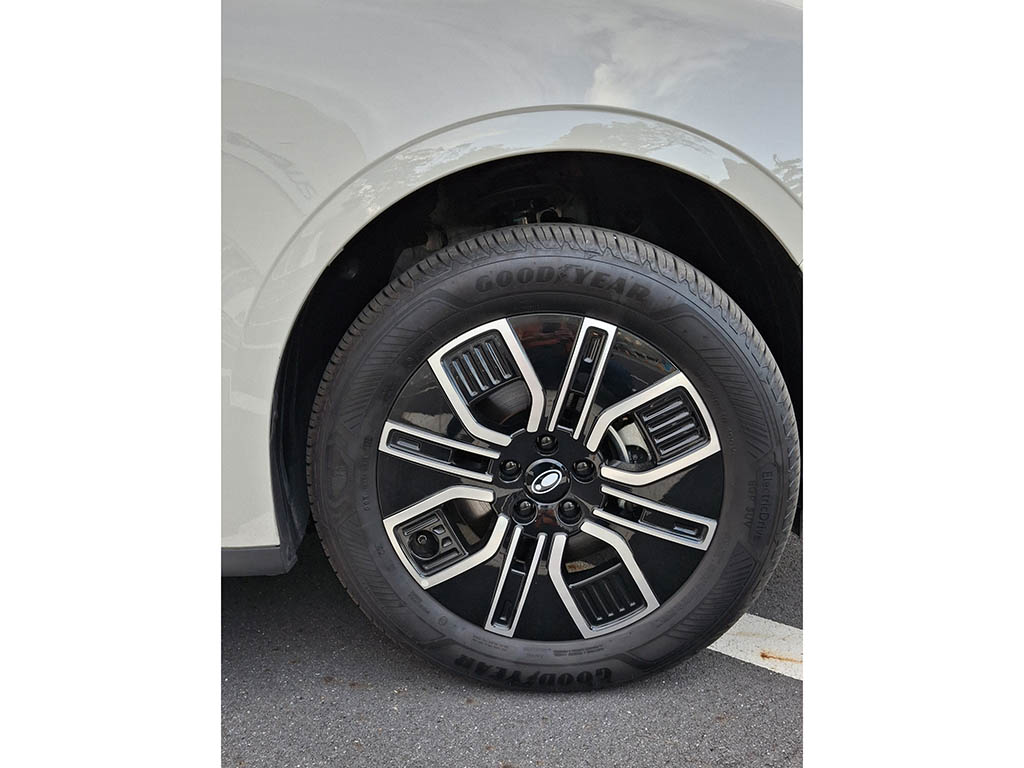
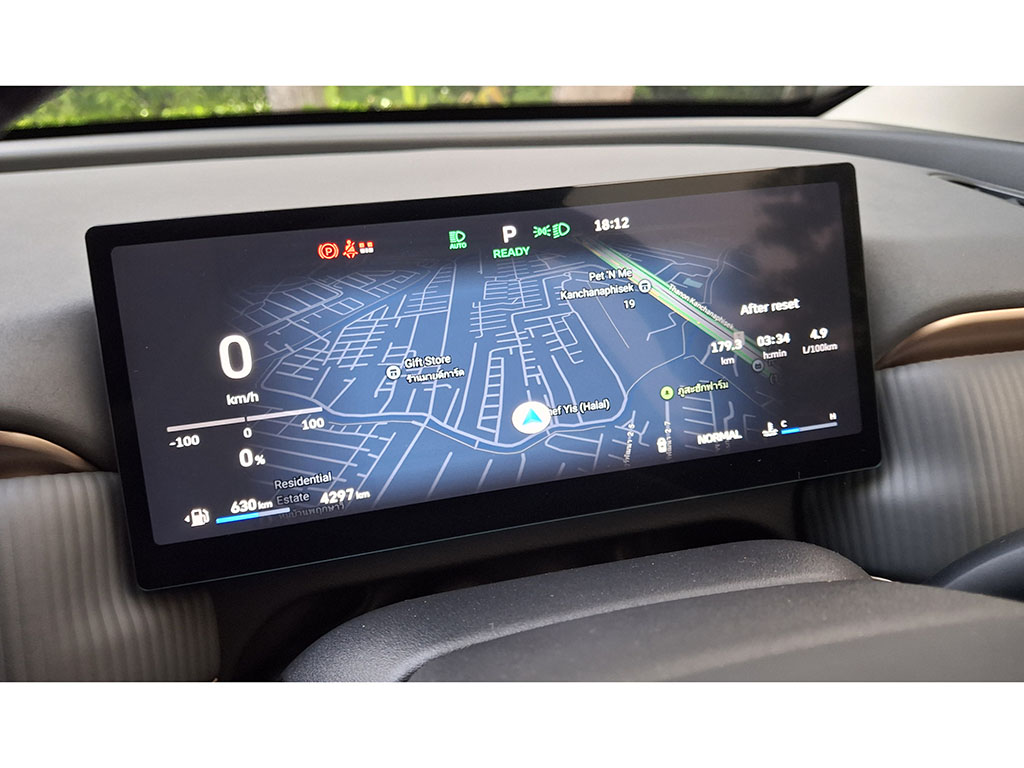
The tyres fitted to the ORA 5 HEV we drove in Thailand were 225/60 R18 Goodyear ElectricDrive rubbers specially made for hybrid SUVs. A check on the Tyre Pressure Monitoring System (TPMS) on the 10.25-inch driver’s instrument panel, a standard item, indicated that the tyres were inflated to about 250kPa, which is about the norm with SUVs.
With the combined strong torque delivery, quick acceleration was fully enjoyed. The ORA 5 HEV features a two-speed DHT (Direct Hybrid Transmission) with which the first speed (or gear) is used mainly in urban driving as its taller profile allows quick pick-and-go performance.
The second speed comes into play on hitting the highway as it has a higher ratio that serves a similar function like the fifth or sixth gear in automatic transmissions. It is meant for highway cruising with the least input in engine power. But kick on the accelerator pedal and the ORA 5 HEV picked up very good speed with both engine and electrical input, which was great for passing slower vehicles quickly on the highways.
This fired up our enthusiasm so much so we had to temper our exuberance. The highway speed limit might be higher in Thailand at 120km/h but the ORA 5 HEV picked up speed so quickly, we could easily fall foul of the speed cameras there. Nevertheless, we enjoyed that strong burst of speed whenever possible before returning to the speed limit.
Earlier, we were given an insight into this strong accelerating power at Das Haus, an automotive theme park built by a Thai tycoon who loves cars. During the standing acceleration run, the 476Nm driving the front wheels led to tyre squeals on take-off. That it wasn’t more dramatic was due to the vehicle’s traction control system being activated.
The amazing part was hearing the tyres squeal again when upshifting to the second speed as the strong torque was obviously put to good use in gaining speed, even in a supposedly cruising ‘gear’. The two-speed DHT operates like an automatic transmission, moving smoothly between the two speeds as per the driving mode.
It was also at this place that we were given a feel of its handling and dynamic performance, something that we were not likely to do on public roads. The first was a brake and steer exercise that displayed the effectiveness of its ABS (anti-lock brake system) that has front ventilated discs and rear solid discs. Braking performance was strong and we could easily steer the ORA 5 safely under hard braking.
For the short slalom course, we were allowed to drive at a speed that we were comfortable at. We did that at about 60-70km/h and the ORA 5 HEV met expectations despite its taller stance. Yes, there was body roll but it was nicely checked to allow us to take the slalom course at reasonably good speeds.
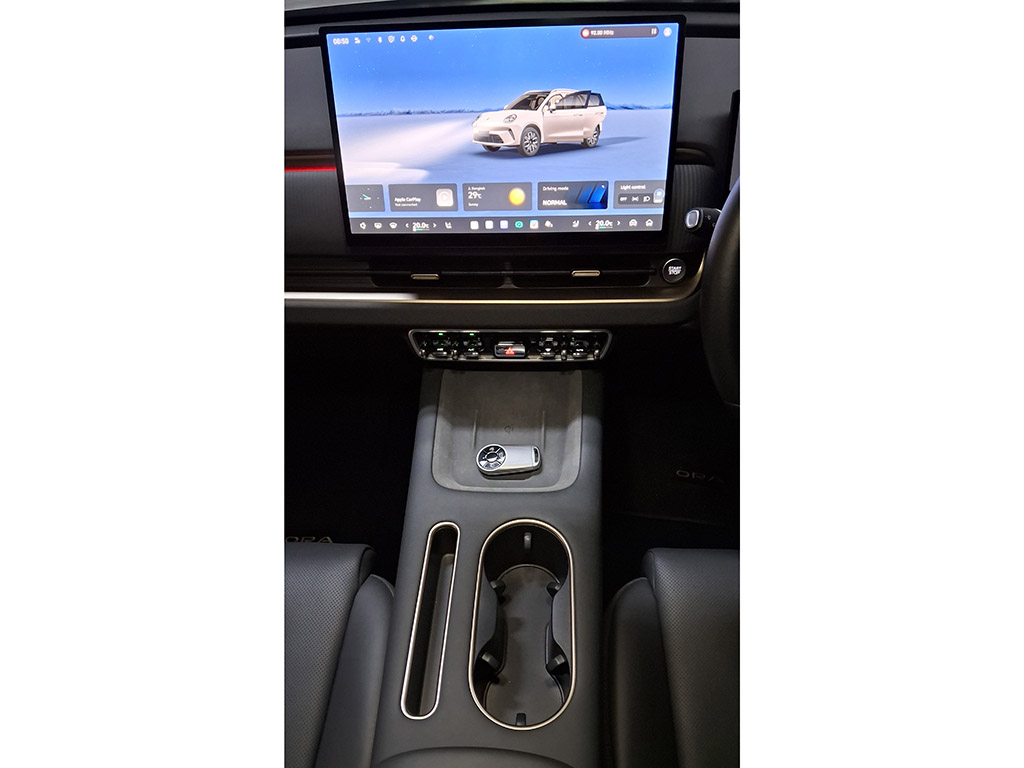
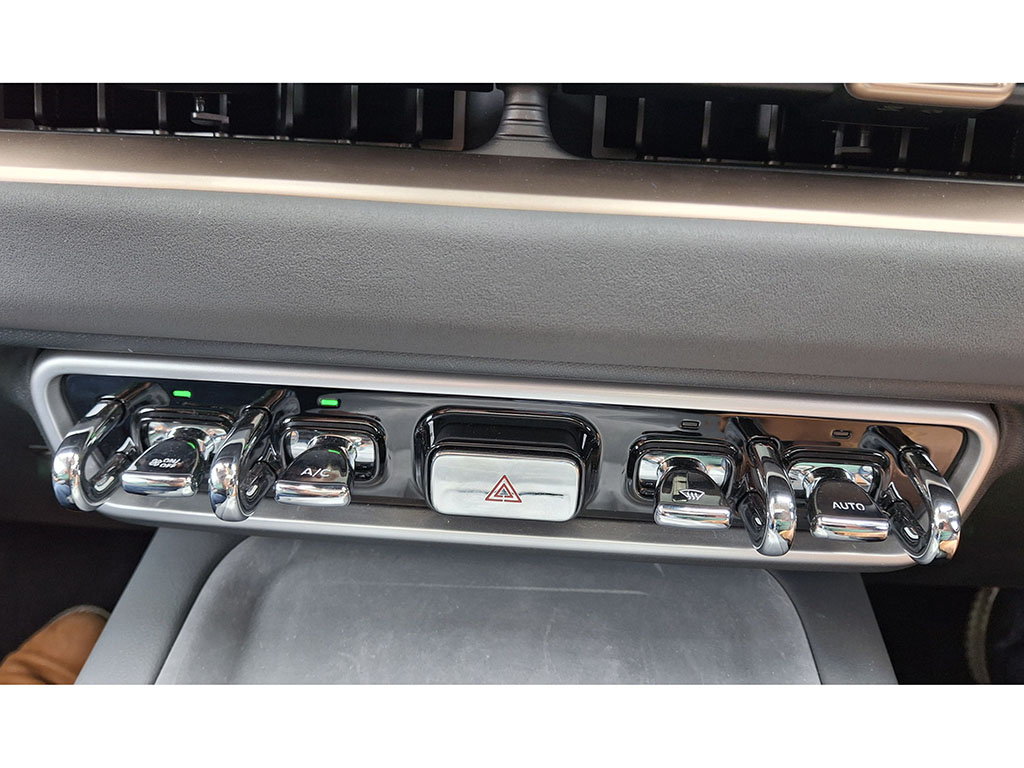
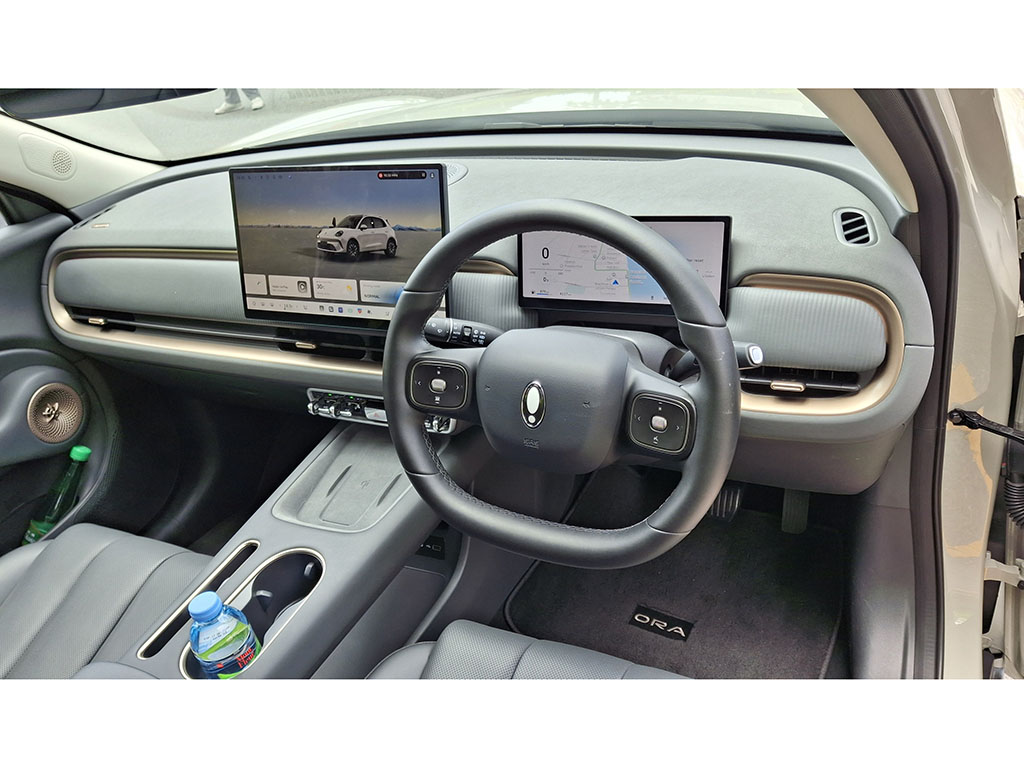
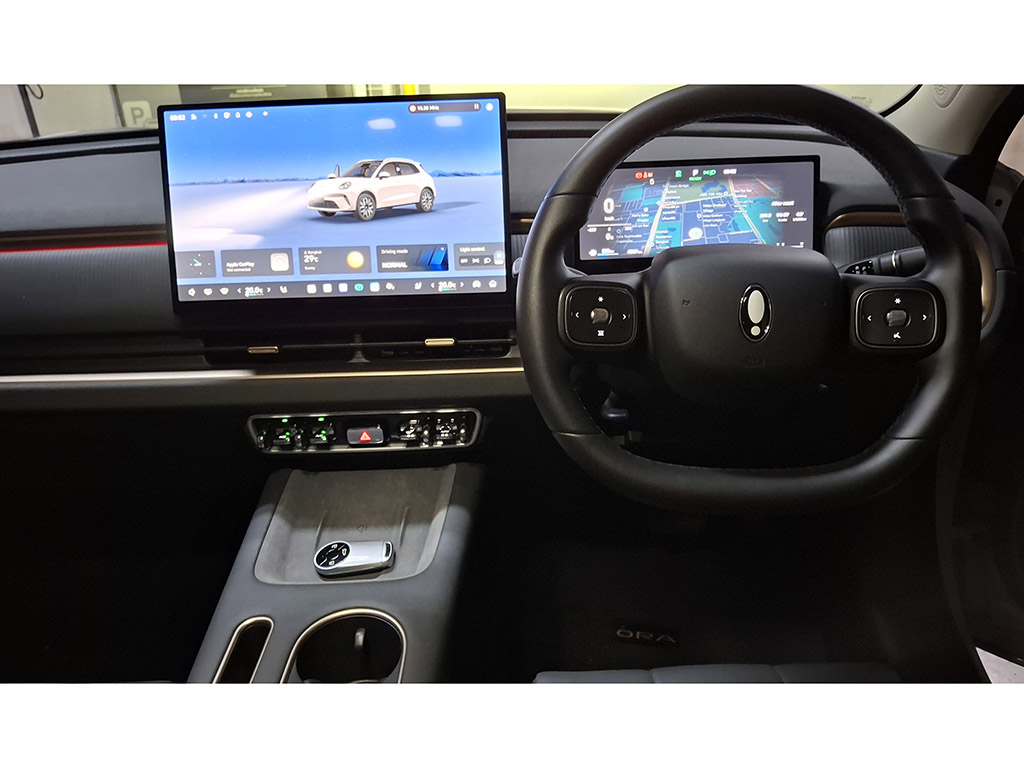
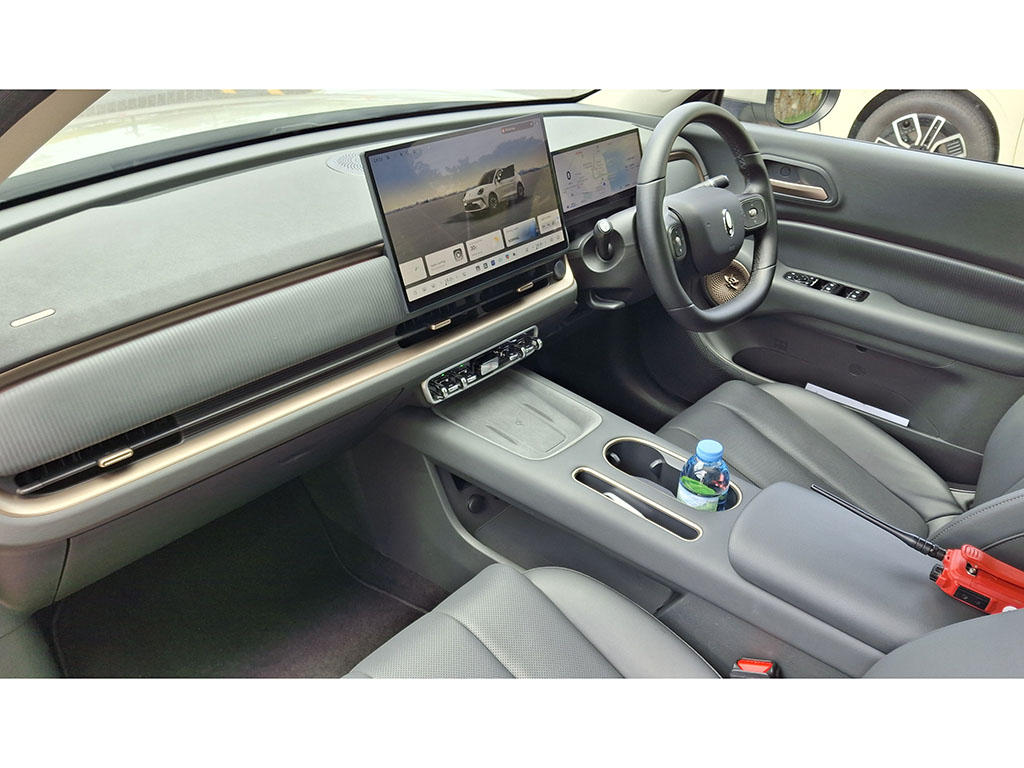
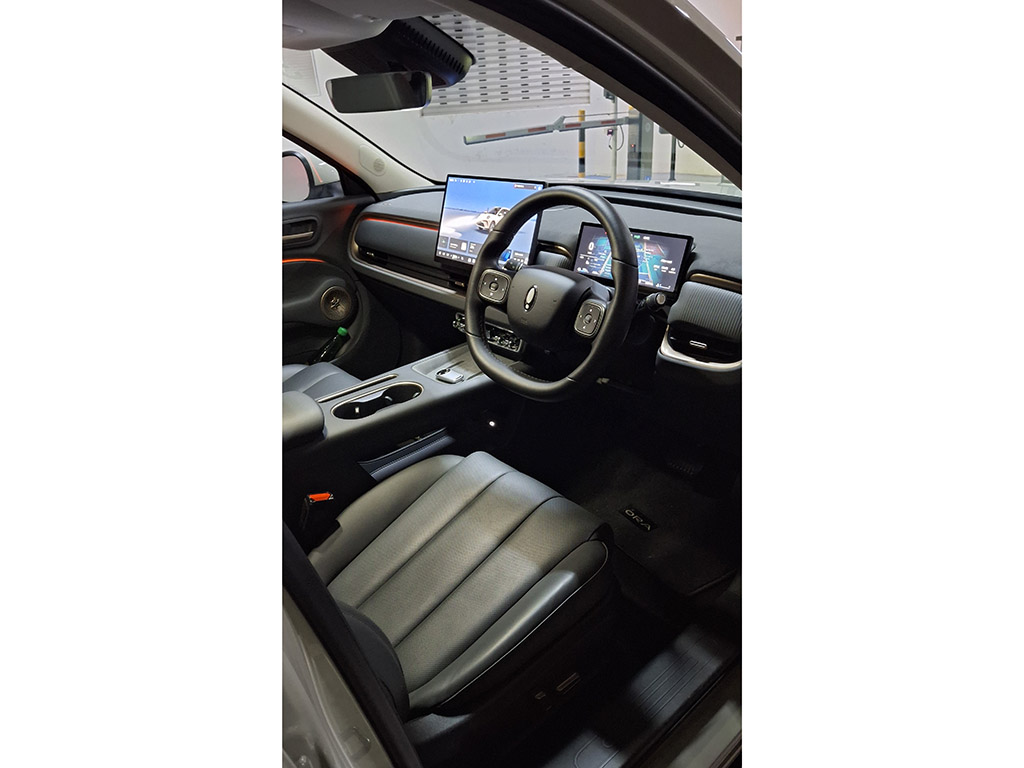
These exercises covered handling, braking and stability and the highway drive gave us a more complete picture of its overall performance as a ‘connected, efficient and lifestyle-oriented’ SUV. Controls to the various functions, especially via the 14.6-inch touchscreen info display on the centre dashboard, were easily accessed. The ventilation controls are via toggle switches on a panel below the central dashboard air vents.
Highway cruising was a quiet affair with good insulation all round although the tyres did pick up a fair bit of road noise over some surfaces, the concrete ones in particular. GWM says the interior noise level at urban driving speed is 37.2dB, which is similar to a car at idling speed. Despite the road noise intrusion, the three of us could carry a conversation without the need to raise our voice while enjoying the streamed music on the move.
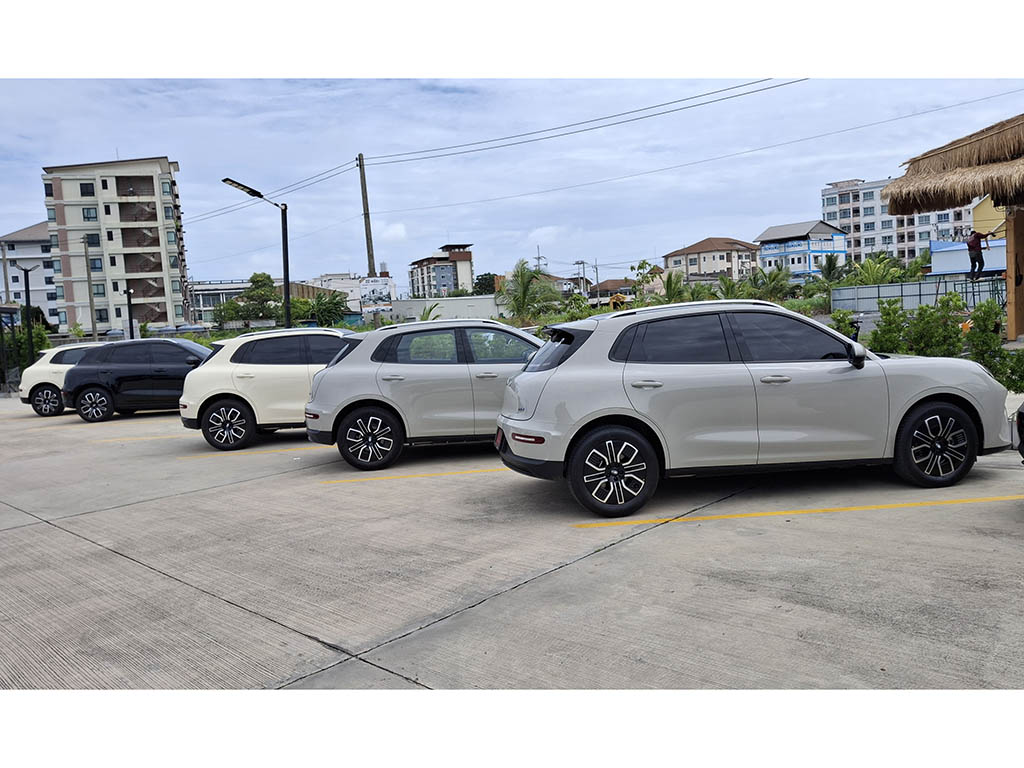
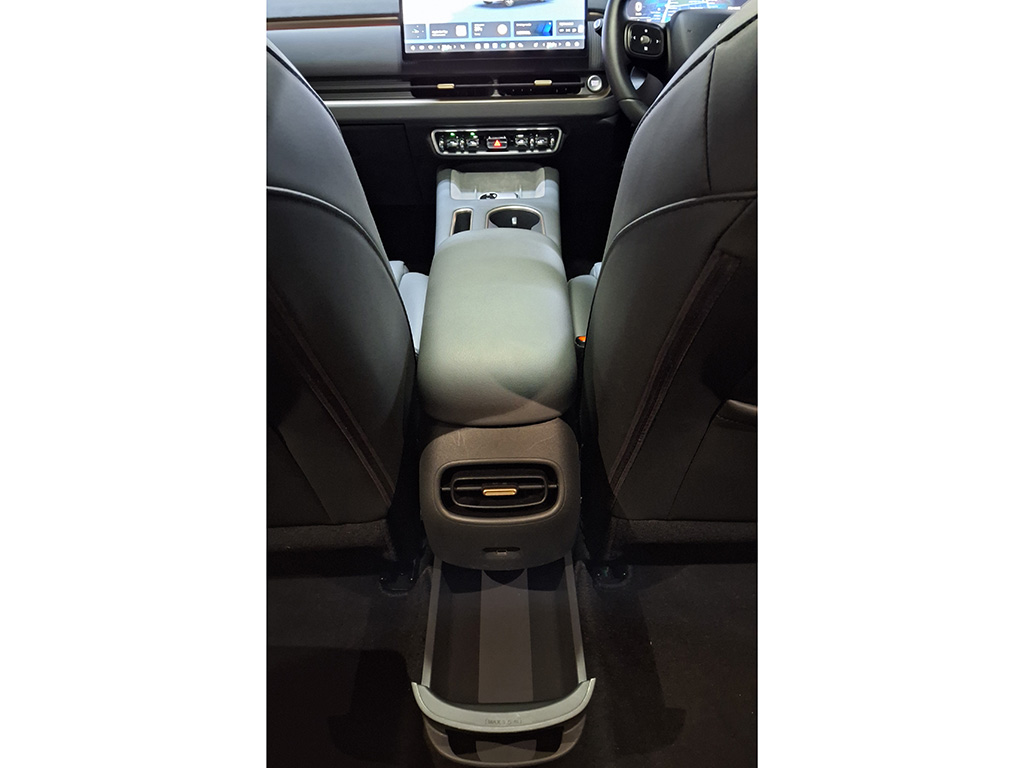
As a B-segment SUV, the ORA 5 HEV is quite a big Crossover and we could visually gauge that when we running alongside a C-segment Mazda CX-5 (which we have in our garage). The CX-5 looks bigger probably because the ORA 5 has an upwardly tapering upper body. That didn’t seem to limit our elbow room or head room, and the legroom was more or less the same as that in our CX-5 (older model) although the ORA 5 has a longer wheelbase of 2720mm (20mm longer).
Dimensionally, it is about there at 4471mm in overall length, 1833mm in overall width and 1641mm in overall height. As an HEV, it would be closer to 2000kg in kerb weight due to the large high-power lithium-ion battery. The high torque, however, made its weightier profile secondary with its strong acceleration.
We had little to complain about the ride comfort and we enjoyed it from all perspectives as a driver and passenger. The suspension system seemed well damped to cushion all manners of road bumps and dips, the many rumble strips and the B-grade roads to provide a comfortable ride.
During its preview at the Kuala Lumpur International Mobility Show in June, GWM Malaysia said the ORA 5 HEV was expected to be priced below RM120,000, which is in a similar price range as the ORA Good Cat car. That is an attractive price for a well-rounded hybrid Crossover/SUV. There are also plans to have the ORA 5 HEV locally assembled along with the GWM Haval H7 Hi4 PHEV