since 1976

since 1976
By Lee Pang Seng
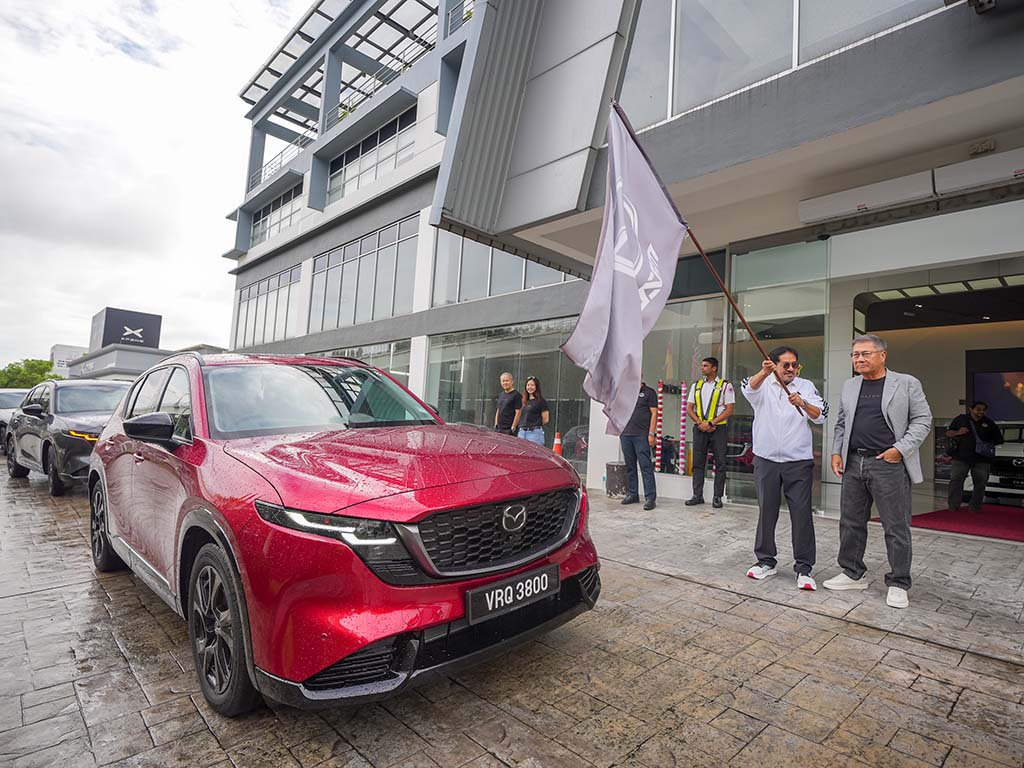
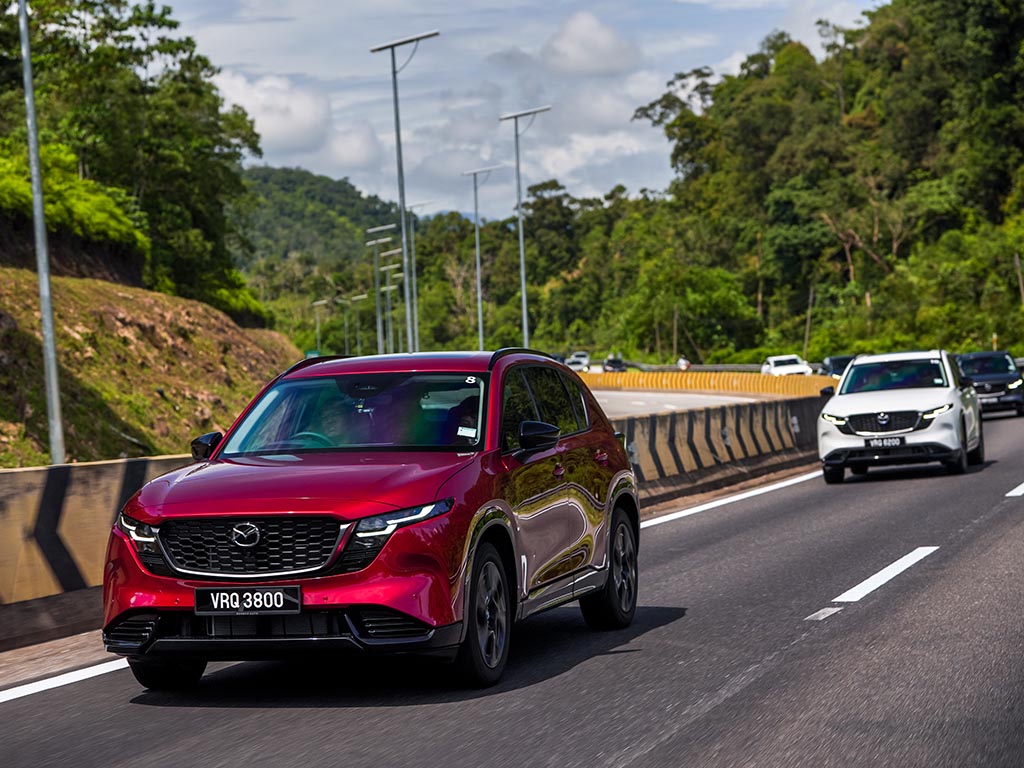
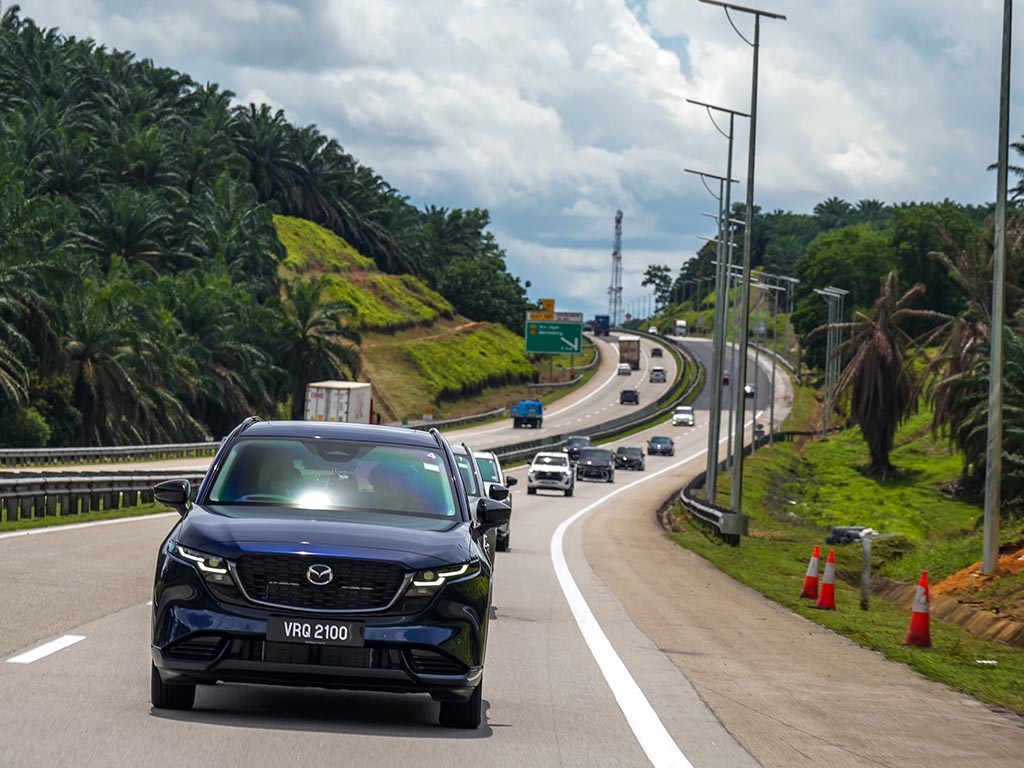
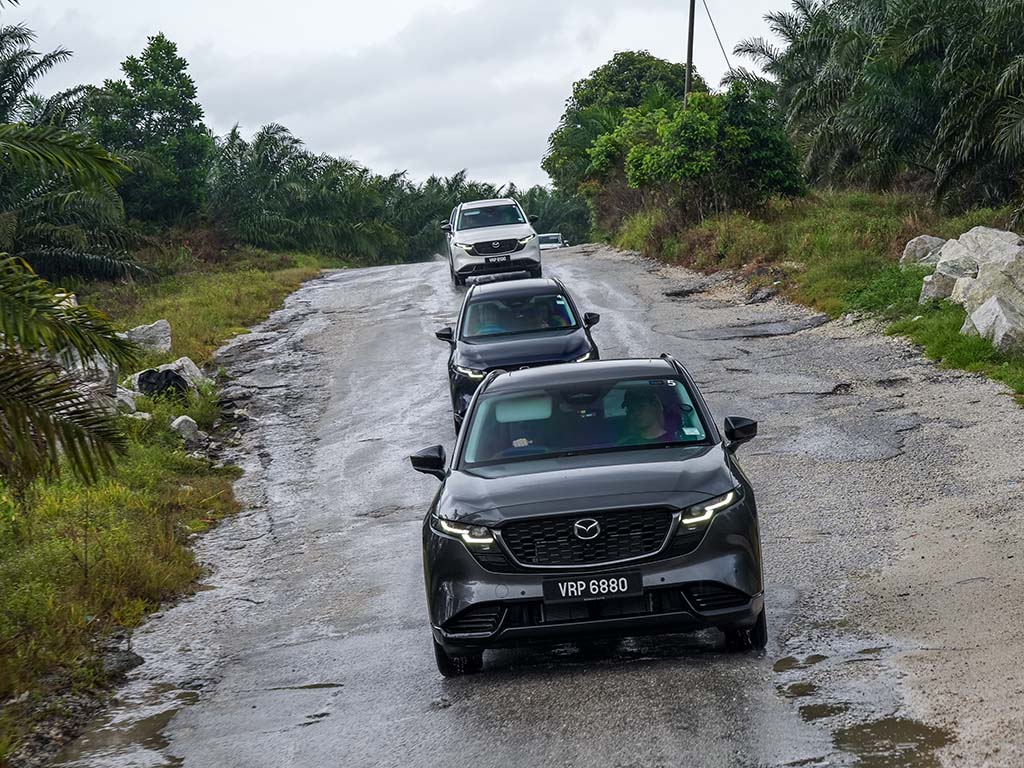
AS THE owner of a second-generation Mazda CX-5, we were indeed looking forward to the drive to Kuantan in the third-generation version. We were curious to feel and experience what the latest CX-5 has to offer after almost a decade of vehicle development.
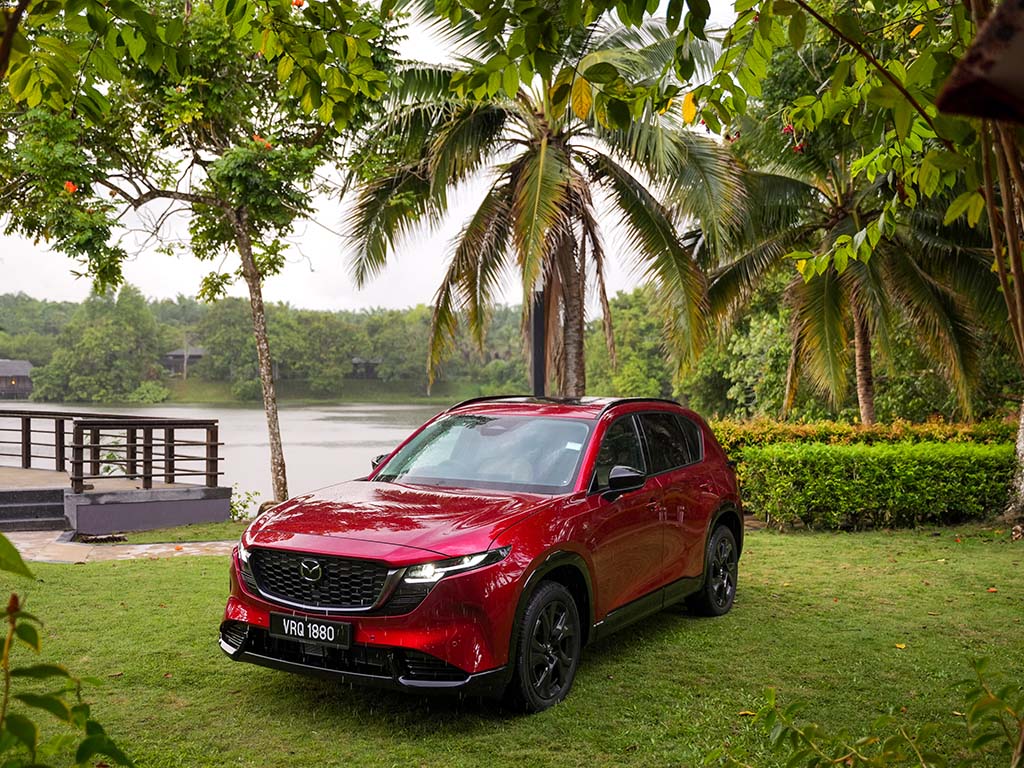
Before we delve into the Kuantan drive experience organised by Bermaz Motor, let’s recap what the latest Mazda CX-5 is all about. Available currently as a 2.5-litre model with a detuned power unit, it is designed to be an economical and comfortable family SUV (sport utility vehicle).
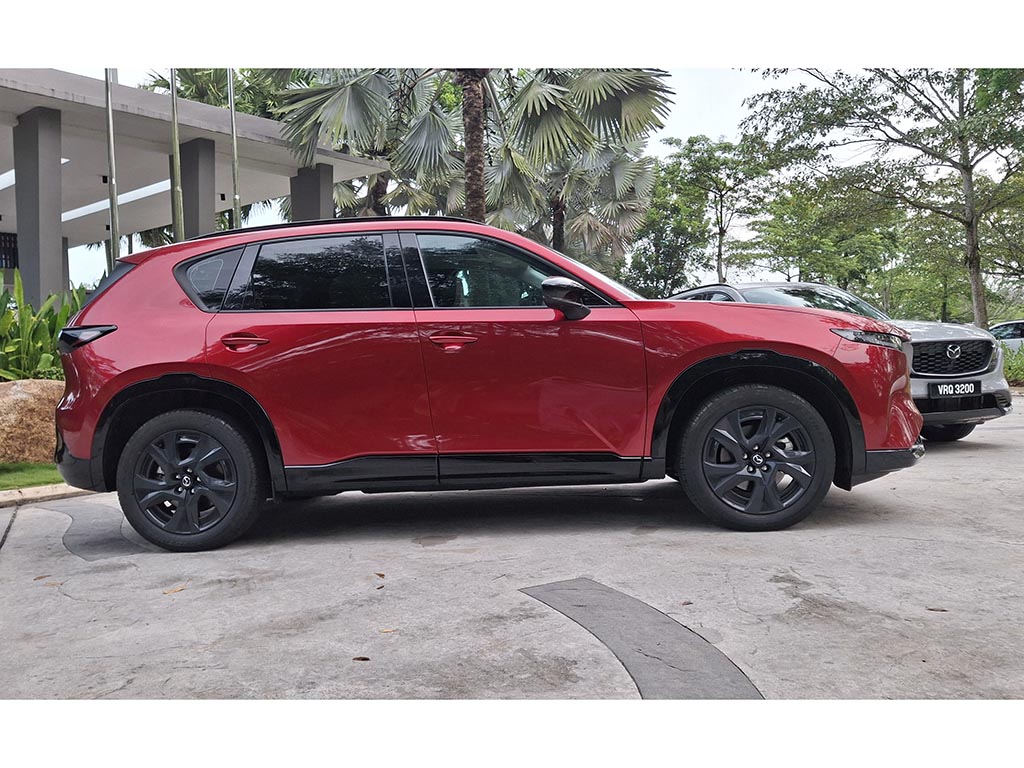
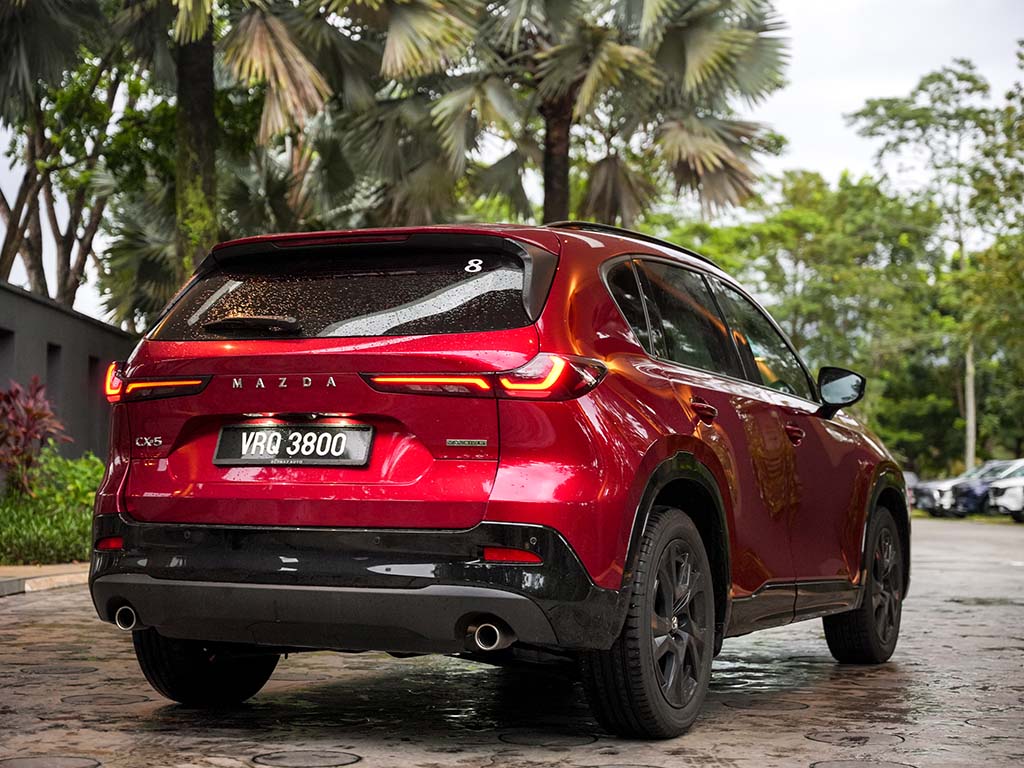
It has a longer wheelbase of 2815mm (second-gen CX-5 2700mm) and is dimensionally bigger all round; 4690mm overall length (4550mm), 1860mm (1840mm) overall width and 1695mm (1675-1680mm) overall height. With the bigger body, kerb weight is naturally higher at 1683kg (1575-1592kg).
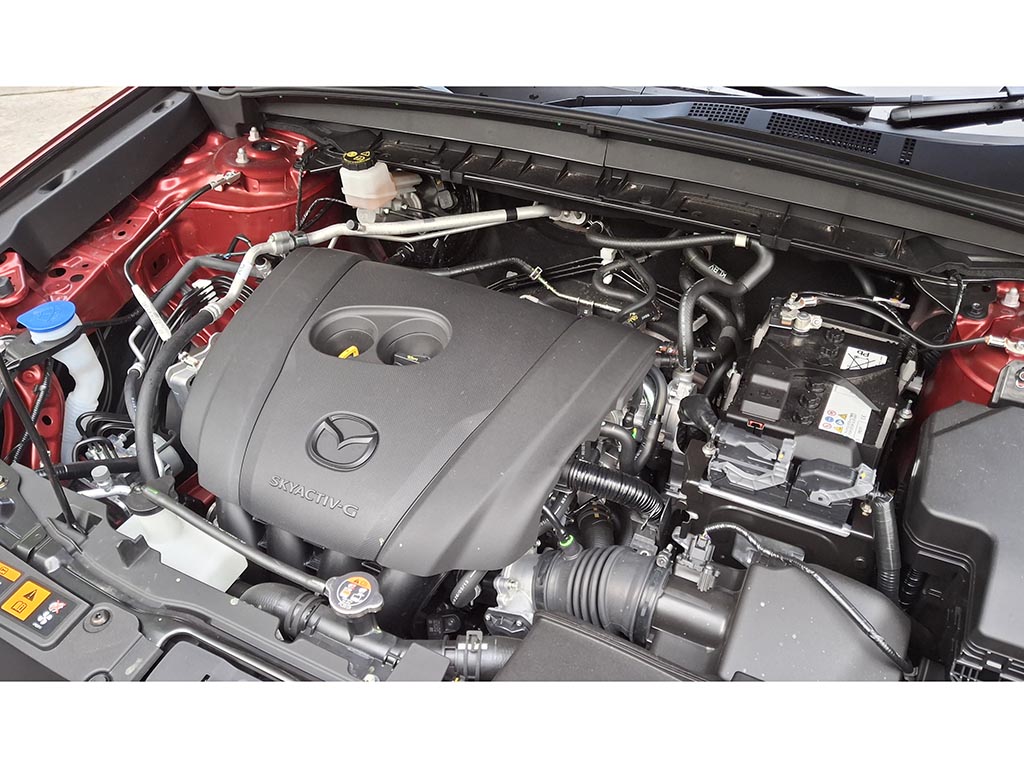
The direct injection 2.5-litre (2488cc) Skyactiv-G undersquare engine (89mm bore and 100mm stroke) with a 13.0:1 compression ratio delivers 136kW (185hp) at 6000rpm and 257Nm at 4000rpm. By comparison, the second-gen CX-5 with normally aspirated 2.5-litre engine of the same configuration has 141kW (192hp) at 6000rpm and 258Nm at 4000rpm. The power-to-weight ratio is clearly more positive to the latter.
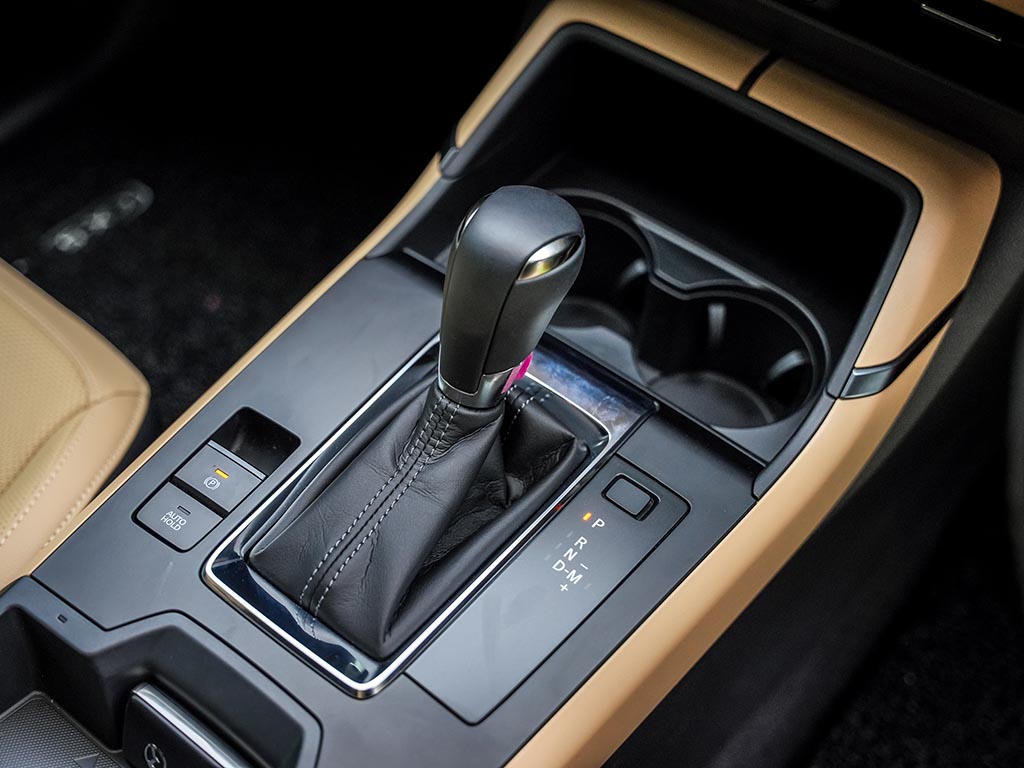
Channelling engine output to the front wheels is the Skyactiv Drive six-speed EAT (electronic automatic transmission) with two drive modes. However, the final drive ratio could have been changed slightly for the latest CX-5 to return a more economical combined mileage of 7.6 L/100km (13.1km/l). The fuel tank capacity stays the same at 56 litres.
Then again, the second-gen CX-5 with 2.5-litre normally aspirated engine is claimed to achieve 7.1 L/100km (14.1km/l) combined, which is better. Likewise, it has a higher top speed of 196km/h against 187km/h for the latest CX-5. Could the higher kerb weight play a hand here?
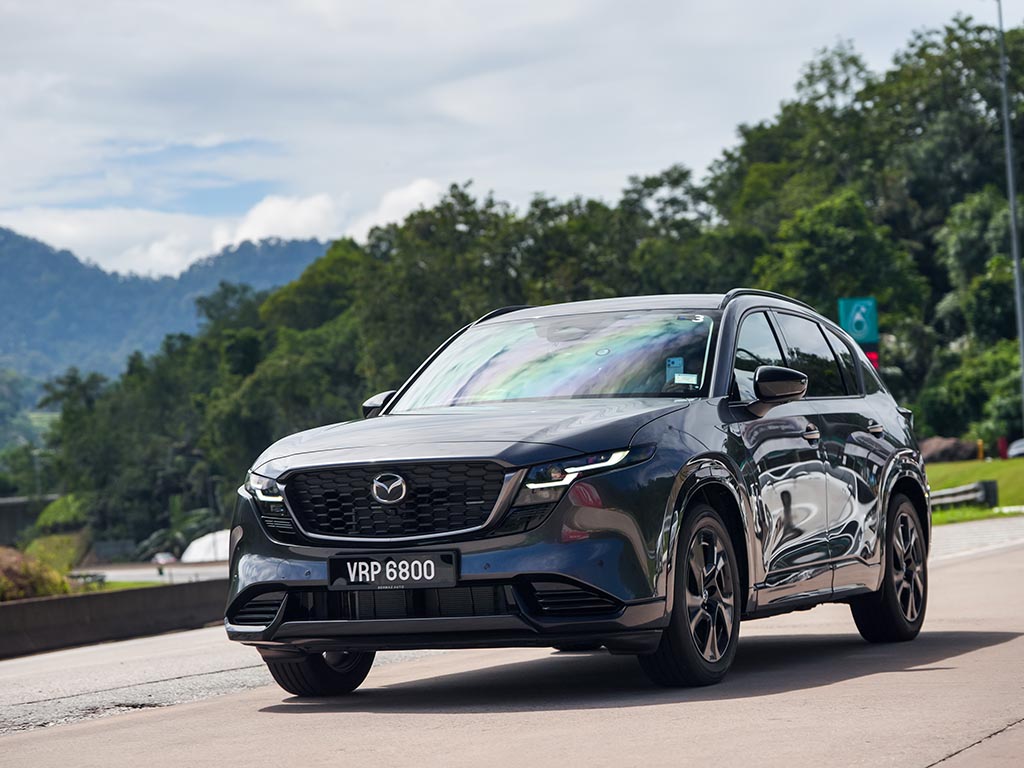
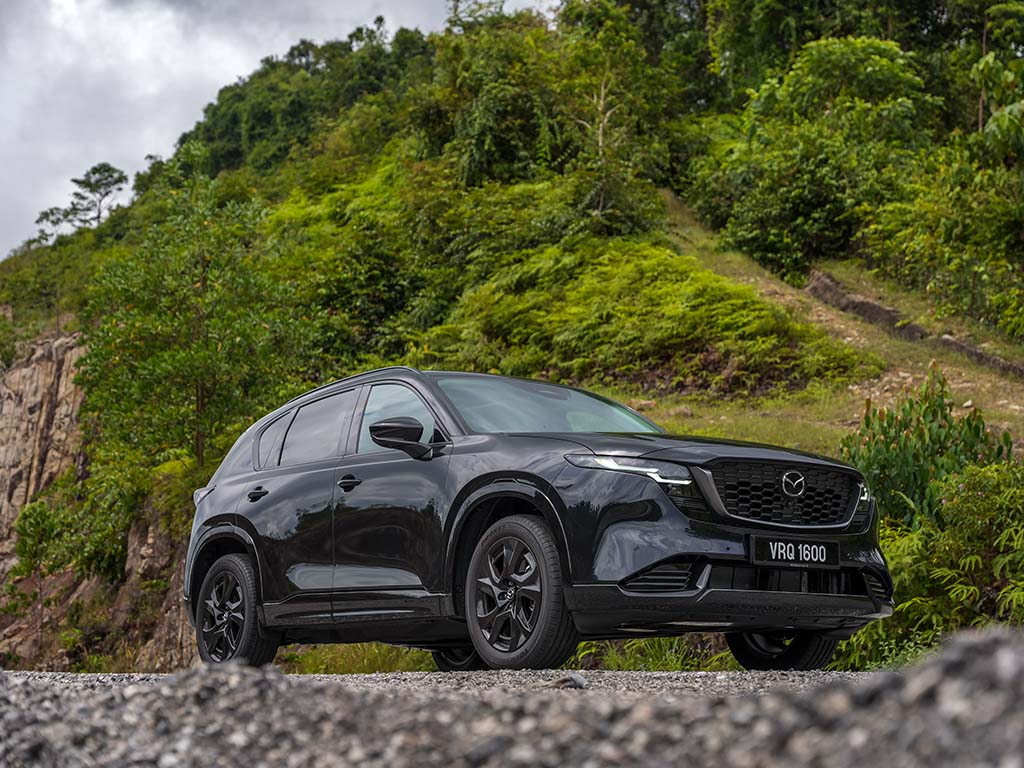
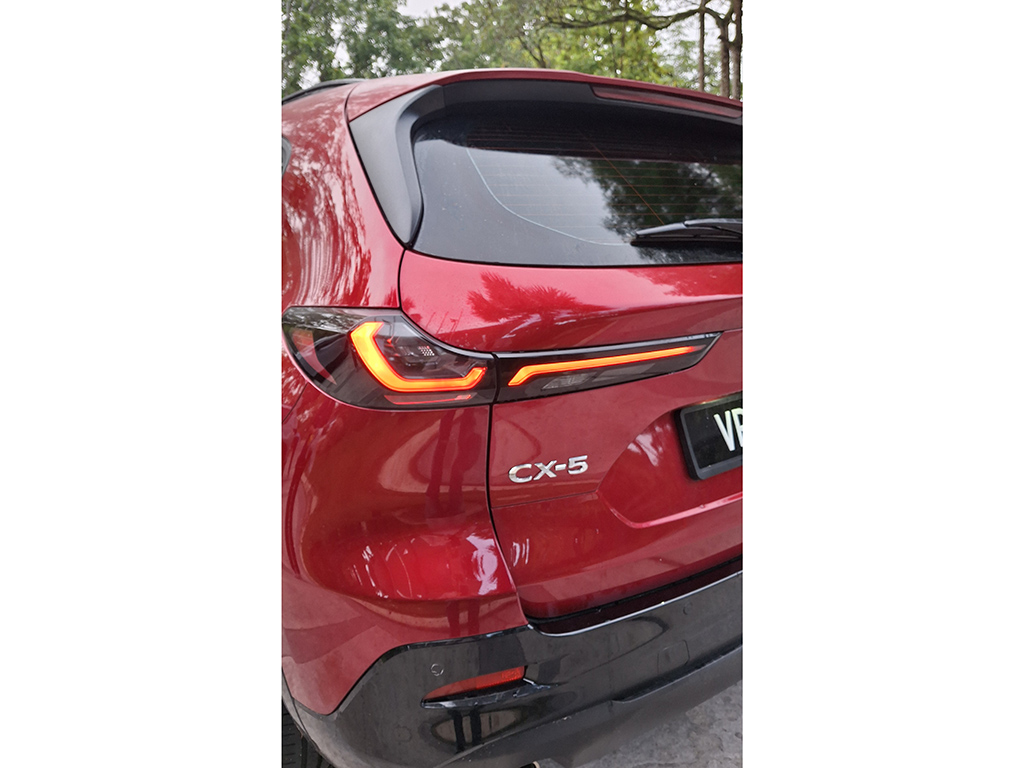
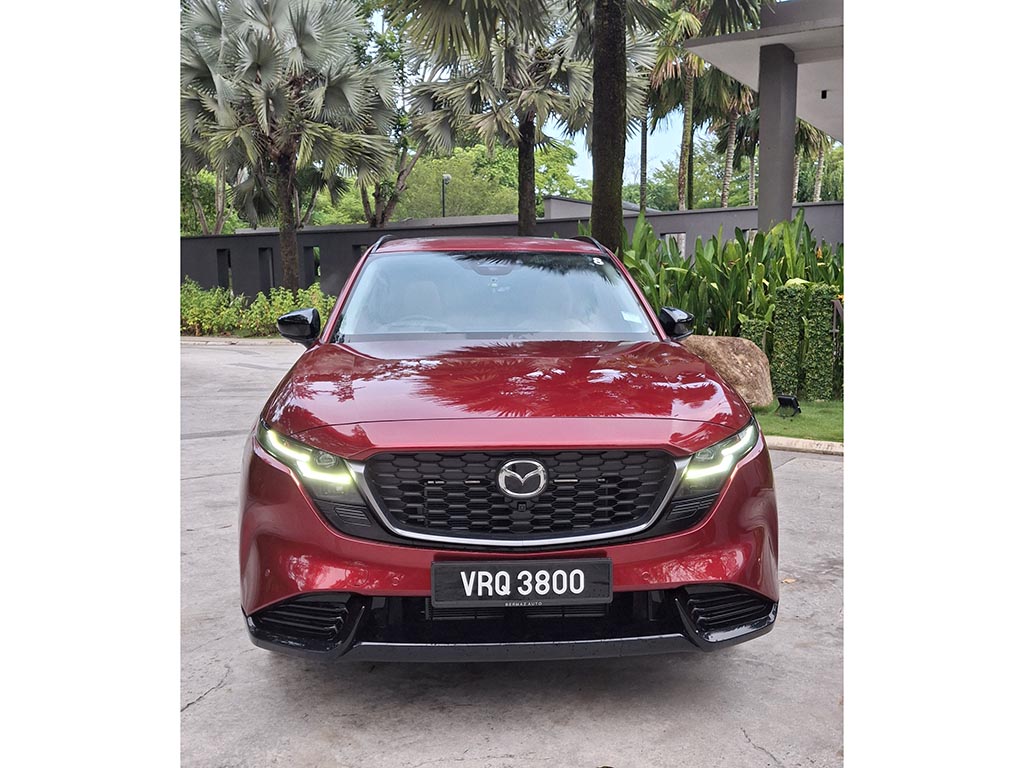
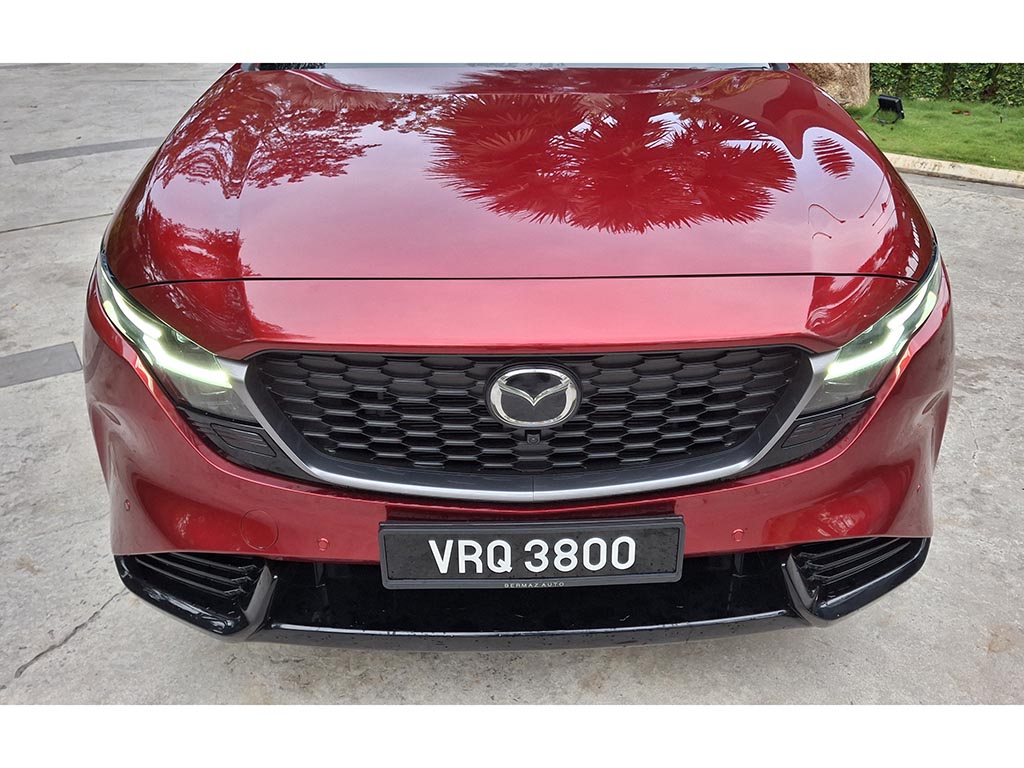
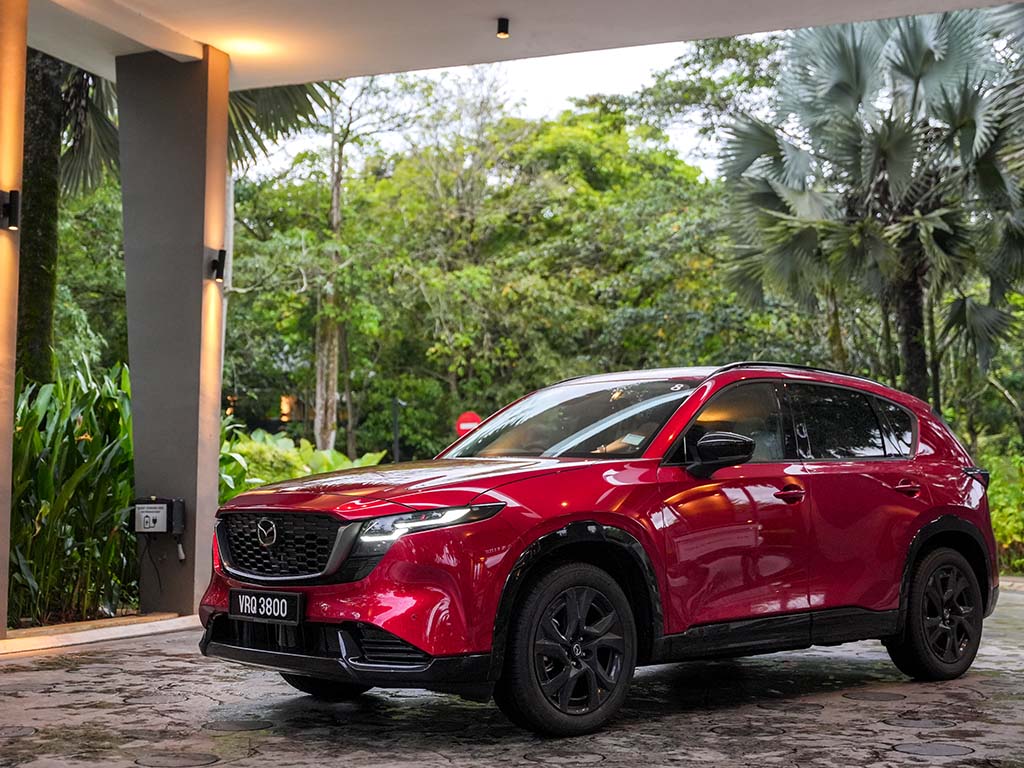
With a slightly higher bonnet line in front, the third-gen CX-5 appears to have less of an aerodynamic edge against the sharper nose of the previous model. Again, we have to understand that the latest CX-5 is meant for comfortable family motoring and the more conservative front styling complements that objective.
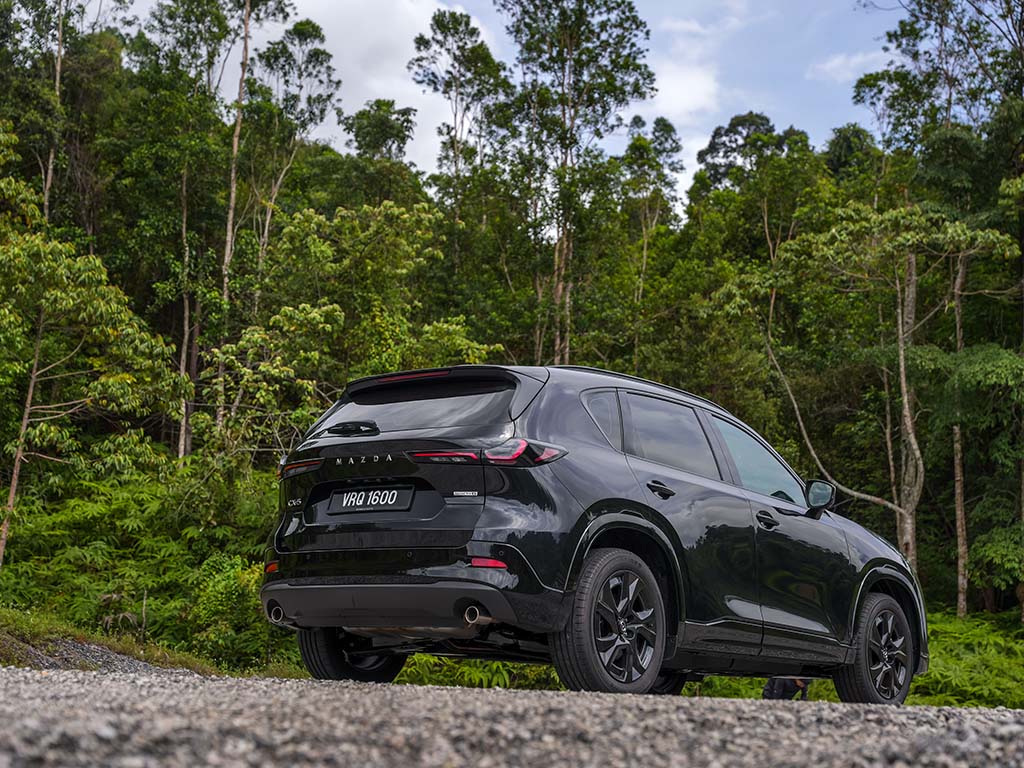
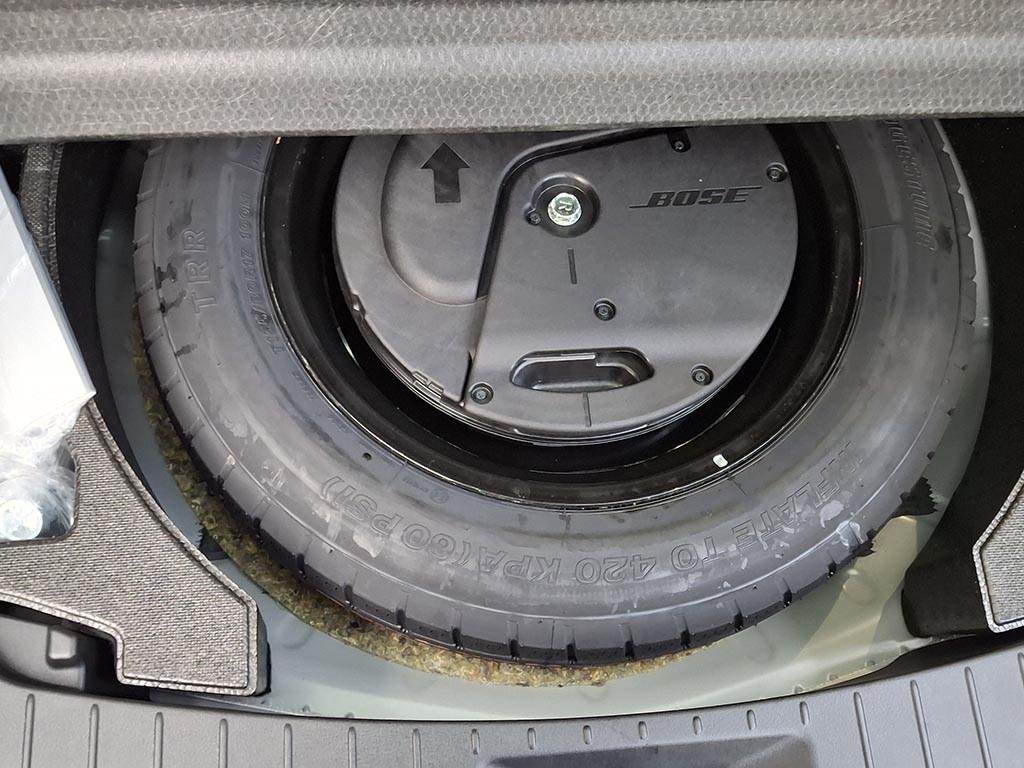
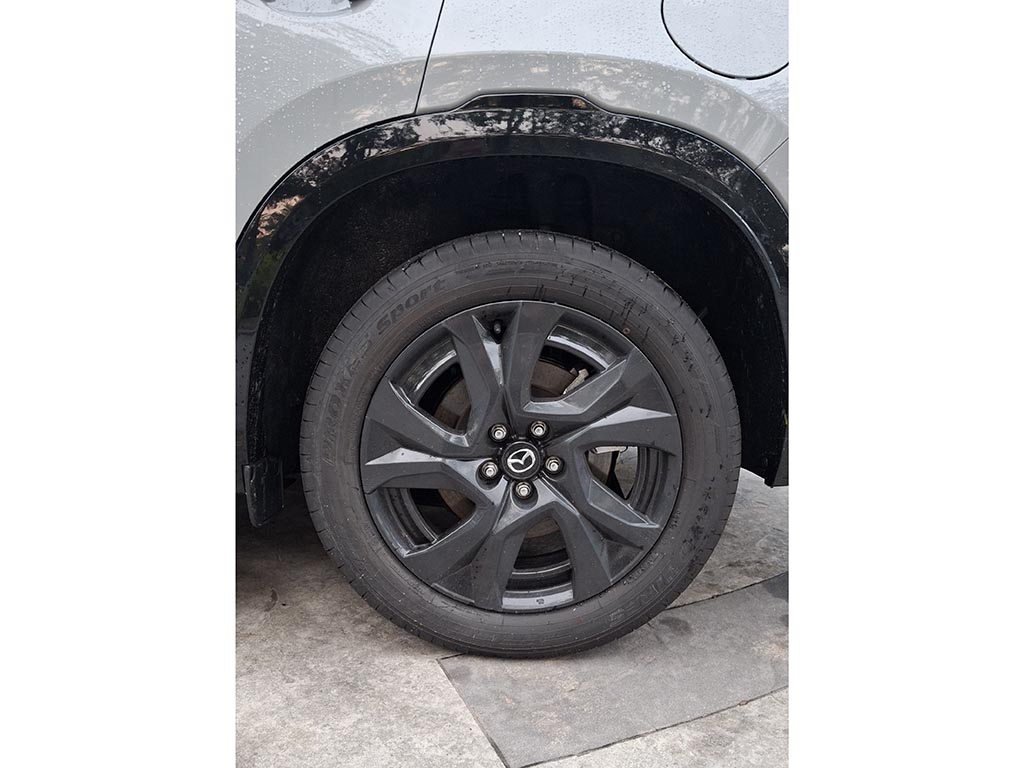
The third-gen CX-5 continues with a MacPherson strut front and a multi-link rear and the tyres are continued with 225/55 R19 sizes (with a temporary tyre as a spare) on alloy wheels. Fitted as standard are Toyo Tires Proxes Sport tyres.
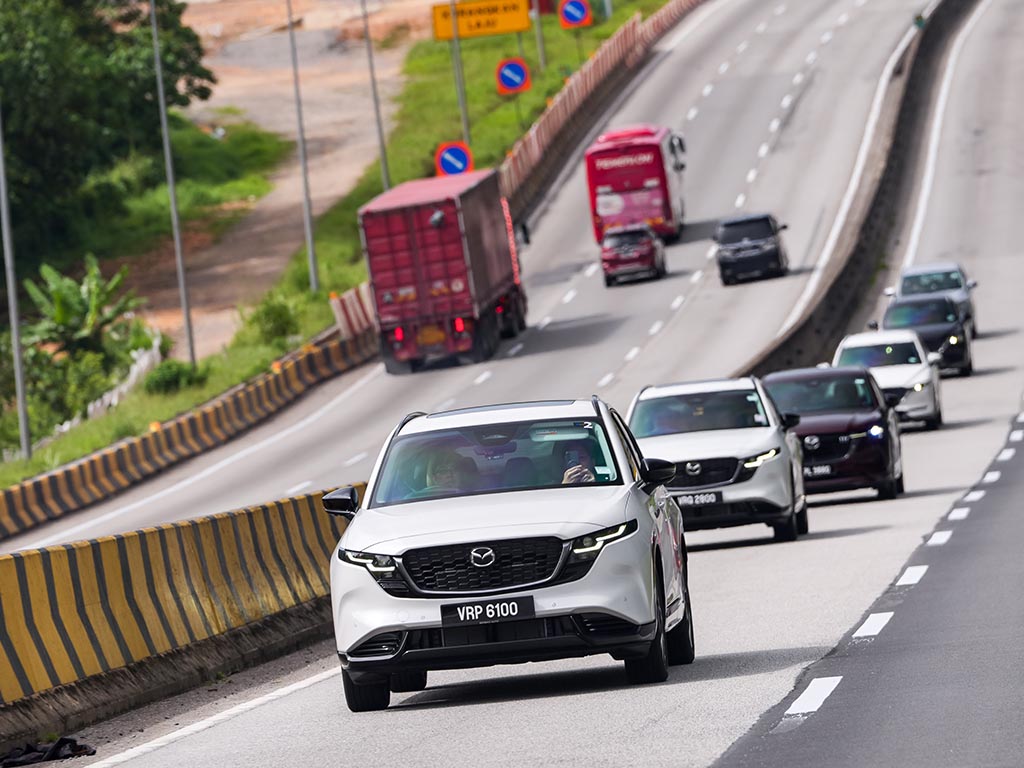
KL-Kuantan Drive
We took the first drive to Kuantan as well as the return leg. It might not be totally relevant but our comparison base is our 2.0-litre CX-5; this engine delivers 119kW (162hp) at 6000rpm and 213Nm at 4000rpm. Its claimed fuel consumption is 6.8 L/100km (14.7km/l) and the top speed is 182km/h. In kerb weight, it’s a lot lighter at 1575kg.
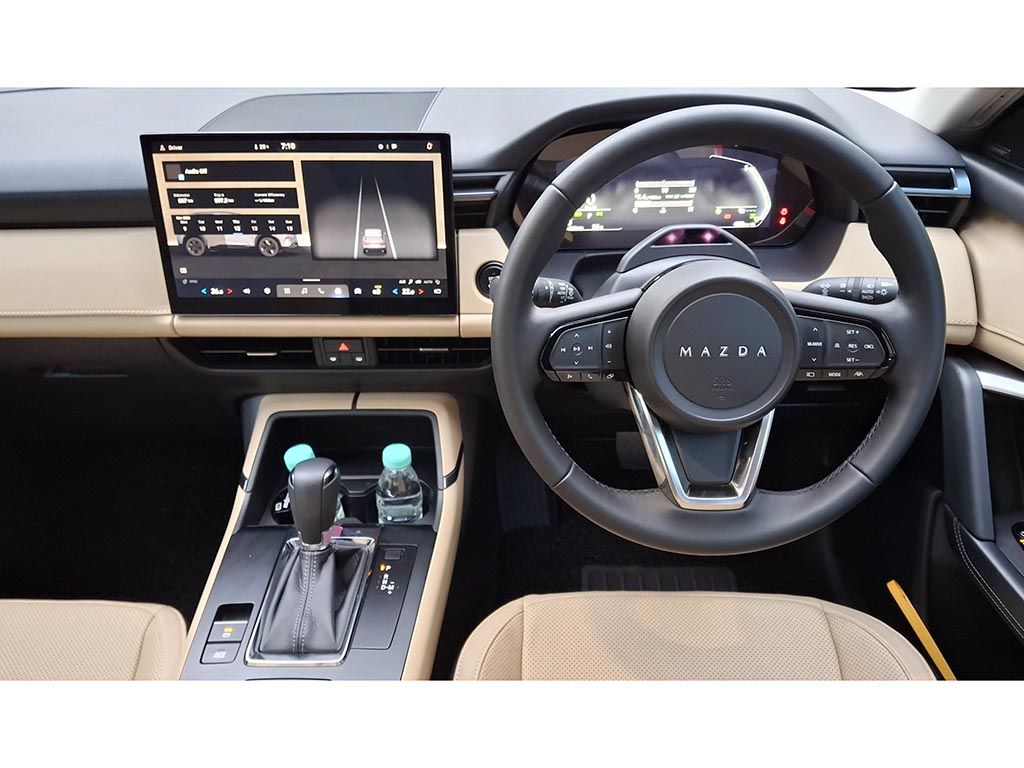
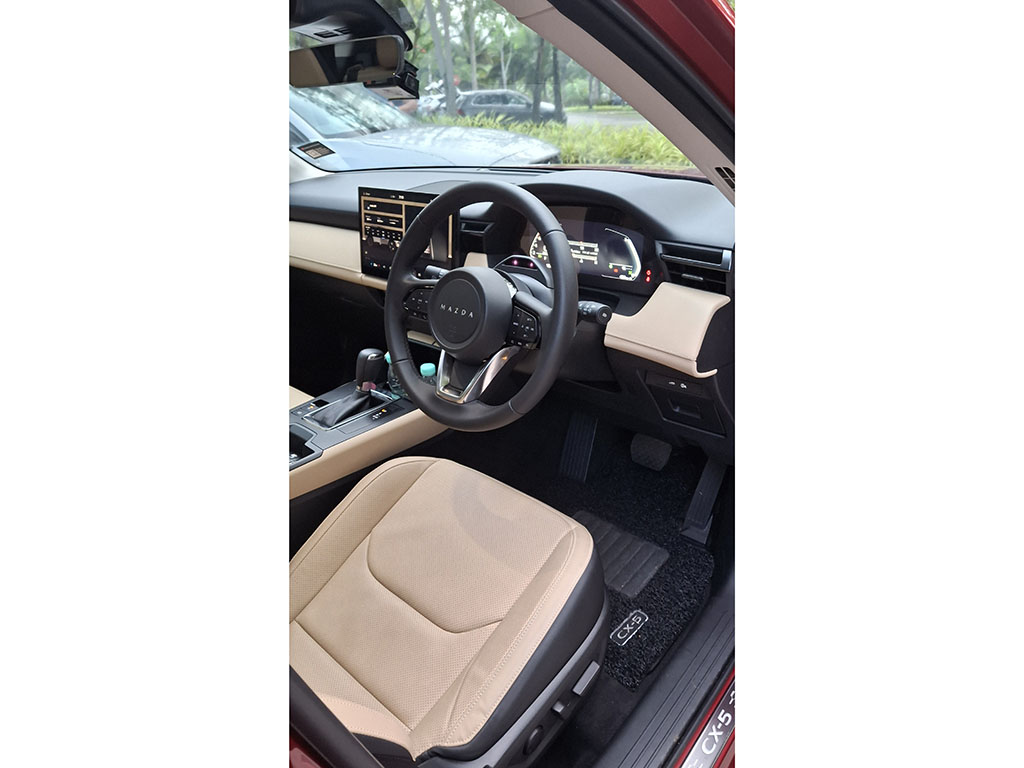
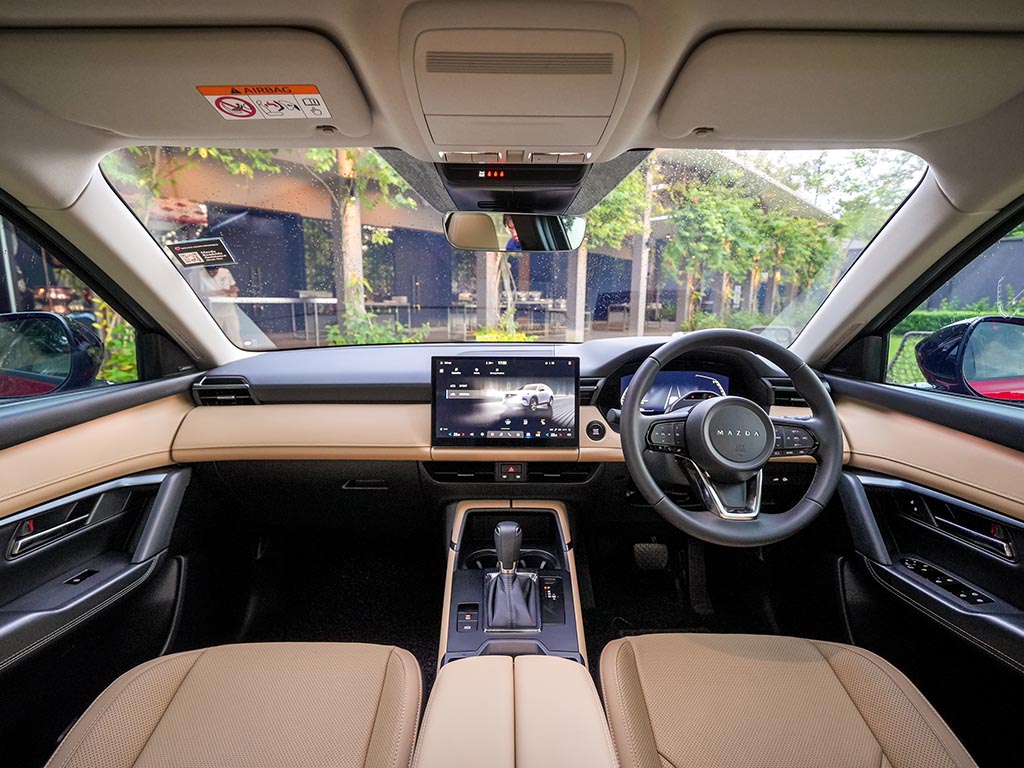
From the driver’s seat, we found our comfortable driving position quickly with the 10-way adjustable electric seat controls, with memory; the front passenger enjoys a six-way adjustable electronic seat. The height and reach adjustable steering wheel, done manually, helped in that respect as well.
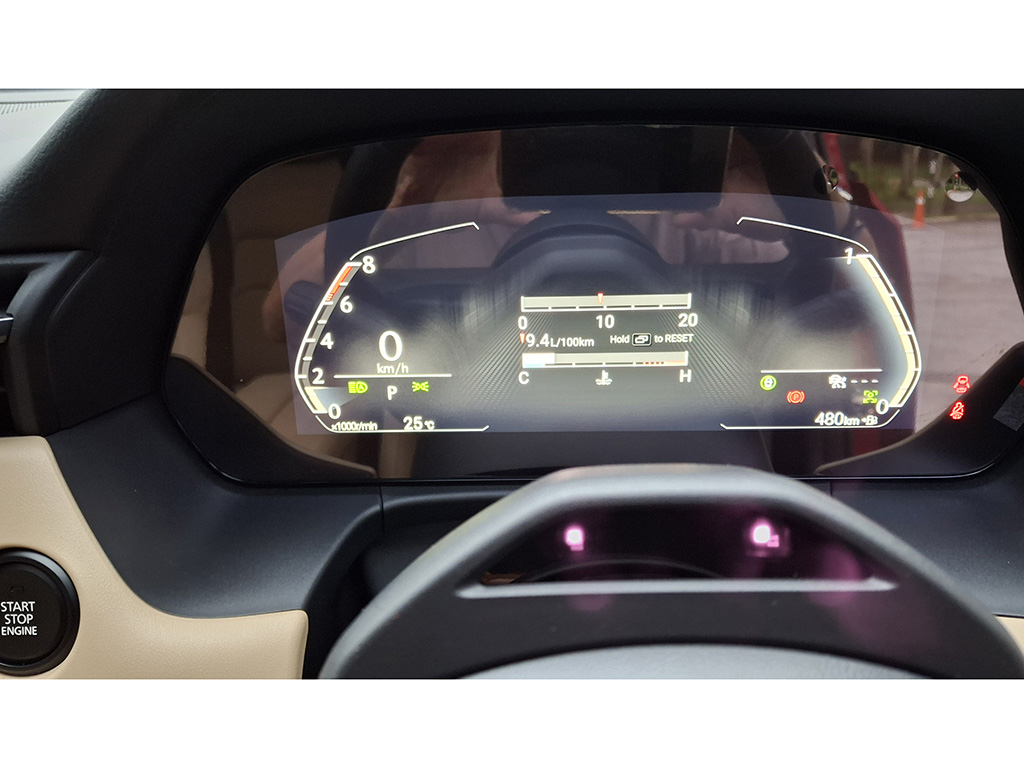
The 10.25-inch instrument panel is cleanly laid out and reminded us somewhat of that in a German car. The uncluttered display allowed quick grasp of the respective information but what we love most was the HUD (head-up display) that comes as standard. That allowed us to keep our eyes on the road during highway driving.
There was no lack of pace during the urban drives as there was sufficient punch from the detuned 2.5-litre engine to provide a quick getaway if we put our foot down on the accelerator. It was when going up inclines, such as the Karak section to Genting, that we felt the higher weight of the new CX-5.
We had to prompt a transmission changedown to maintain the speed. This was something we didn’t have to do with our 2.0-litre CX-5 during our drives along the same area. Perhaps that’s because our CX-5 has a better power-to-weight ratio despite its smaller displacement engine against the new 2.5-litre CX-5.
In most respect, both old and new have similar engine characteristics on highway drives; engine speed was pretty much similar at about 2200rpm driving along at 110km/h. What we were left wanting though was the engine torque braking. On pedal lift-off, we could hardly feel the engine torque slowing the vehicle down. This was unlike our CX-5 2.0 with which good engine torque helped in vehicle deceleration and we could use that to avoid using the brakes often when slowing down.
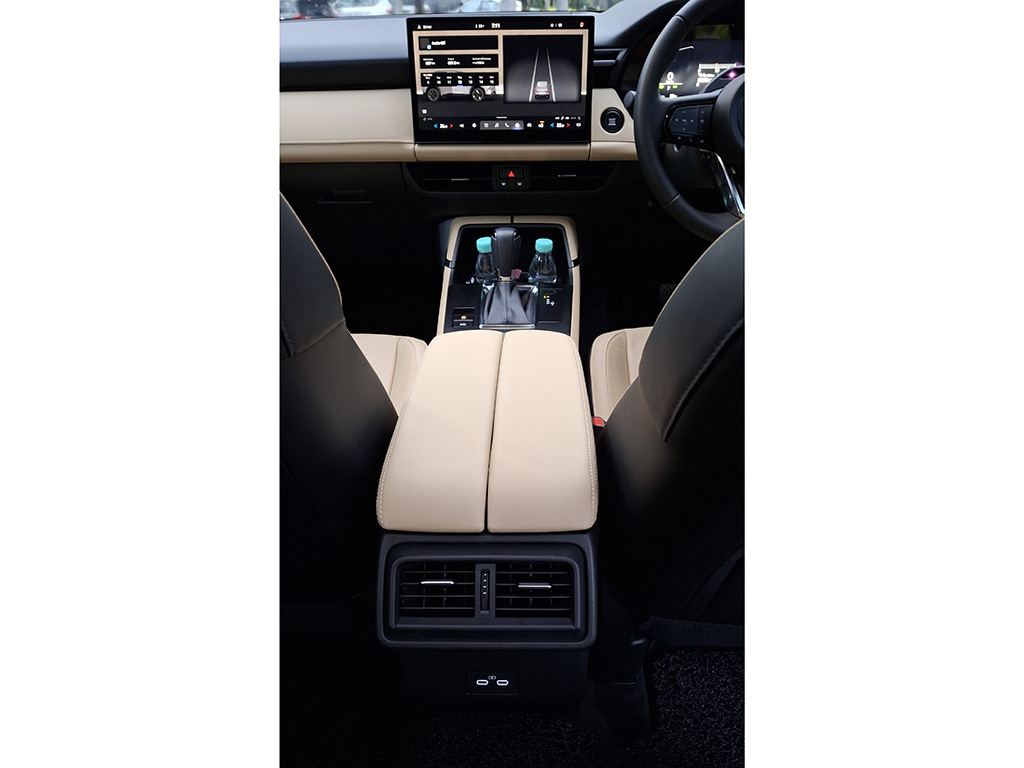
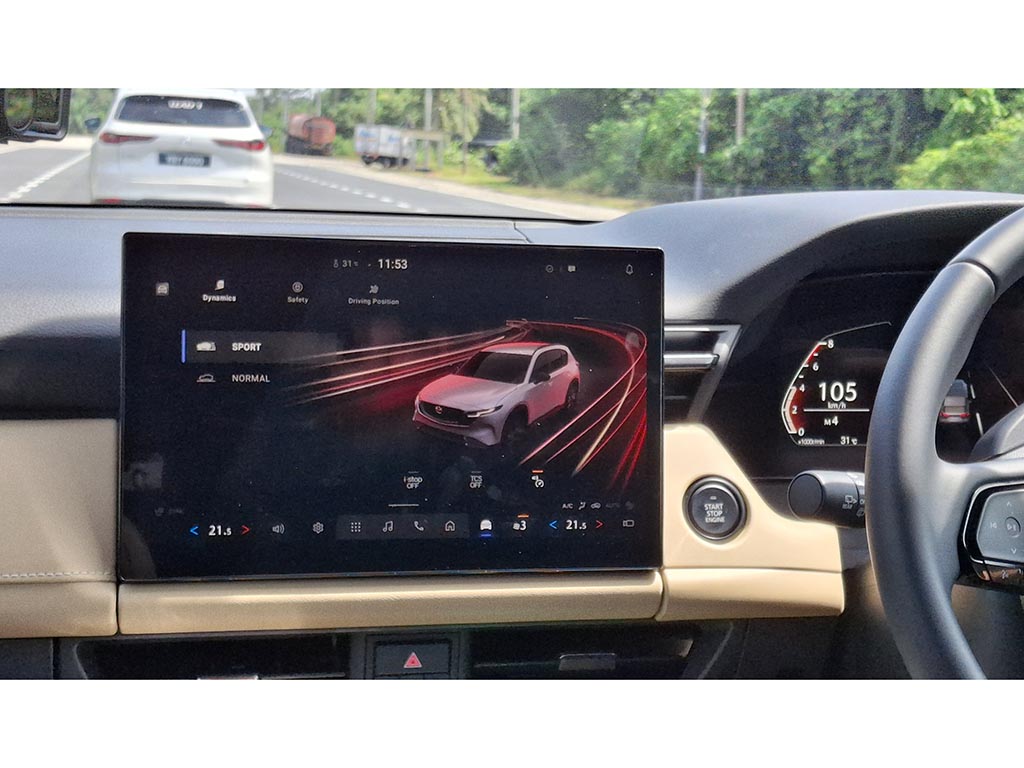
The new CX-5 comes with two drive options that are selected via the 12.9-inch centre info display with touchscreen convenience. Choosing Sport mode increases the injector fuel feed and raises engine speed above 3000rpm, with the accompanying higher engine note as it was turning at a more robust speed.
This pushed engine output towards the maximum, the torque in particular, and we could feel the third-gen CX-5 come alive. It responded quickly to accelerator pedal inputs and was great for quick overtaking on the B-road section that was part of our route to Kuantan. We could also use the manual shift option (which we also enjoy in the CX-5 2.0) to hold a gear for strong passing power.
The engine management system would cut off the fuel if we held the gear too long as a safety measure, forcing us to upshift. It’s never good to keep an engine operating at the limit, which is akin to over-revving the power unit near or into the red zone, as shown on a tachometer. Besides, robust driving also used up fuel quickly and we were down to half tank by the time we arrived in Kuantan, just about 200 kilometres in distance.
Such driving is best done alone as passengers might not enjoy the brisk pace nor the constant high drone of the engine. While firewall insulation is good during normal drives, the high engine note still got through and made the journey tiring on the ears. In any case, driving in Normal mode on the highway was sufficient in maintaining a good pace and rhythm or going at robust speeds. The strong torque at mid-range engine speed allowed us to pick up road speed quickly, especially to pass slower vehicles.
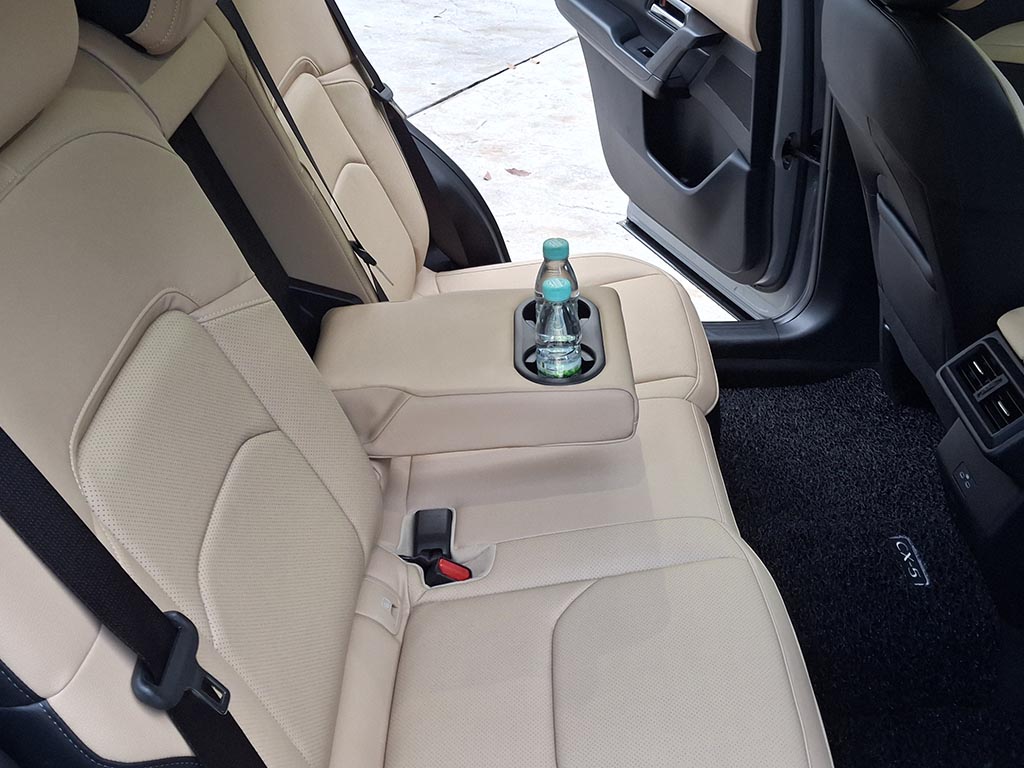
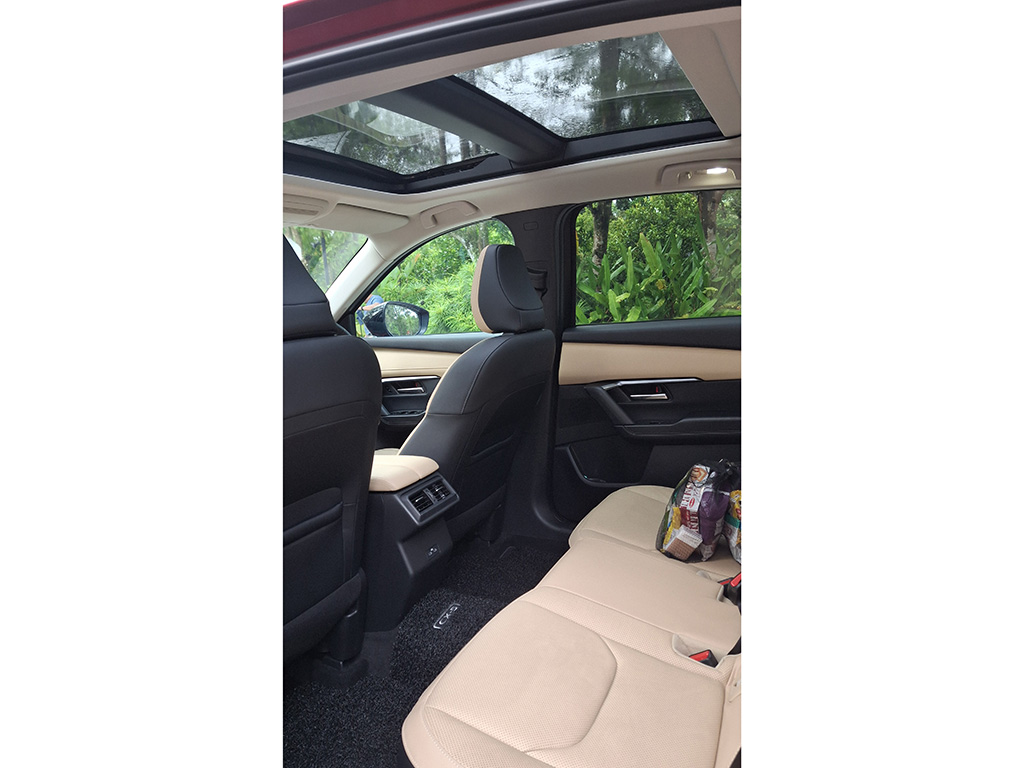
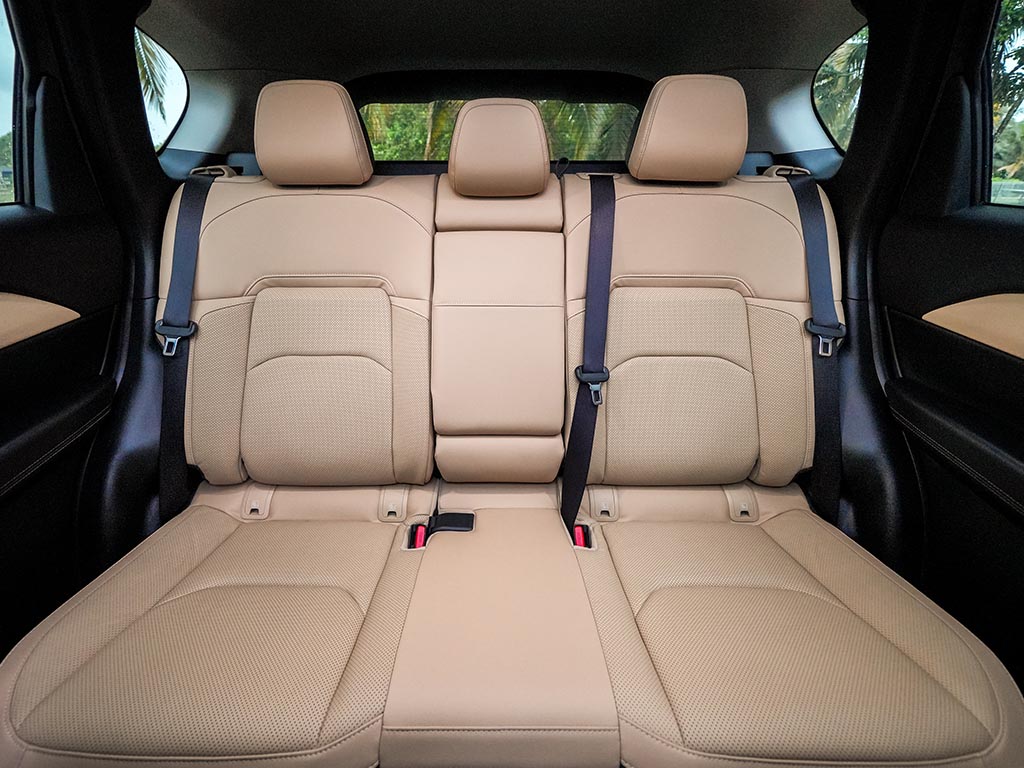
On the passenger perspective, we enjoyed lounging in the rear seats with the roomy legroom, even when the front passenger had adjusted his seat rearwards to achieve better legroom. The longer wheelbase has made this an immediately noticeable improvement over our CX-5 although the seat bench was similarly a little short on thigh support. Even so, we didn’t suffer from ‘tired’ thighs during the long drives as a passenger (we were assigned three to a vehicle for the KL-Kuantan drive).
The wind and road noise was somewhat similar, especially the wind noise above the driver’s window, even at a robust pace. There was no mention of the new CX-5 aerodynamic profile but we believe it would be similar to the second-gen model, despite a less sharp front nose. We certainly enjoyed a quiet ride from the rear seat perspective.
In handling dynamics, the MacPherson strut front and multi-link rear appeared well tuned to take to fast sweepers and corners with minimal body lean. Turning into a corner was sharp and confidently taken, quite similar to our CX-5 performance. Likewise, the good ride comfort that we could assess from all perspectives and we had a good feel of that over the B-grade roads and a detour to a waterfall area.
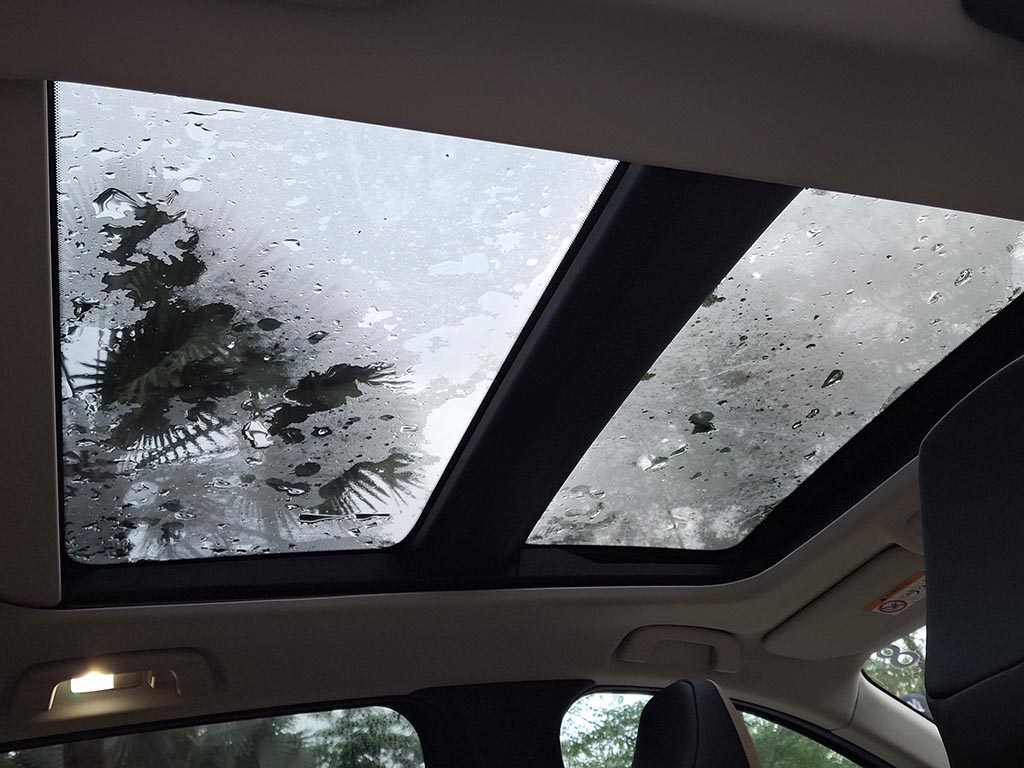
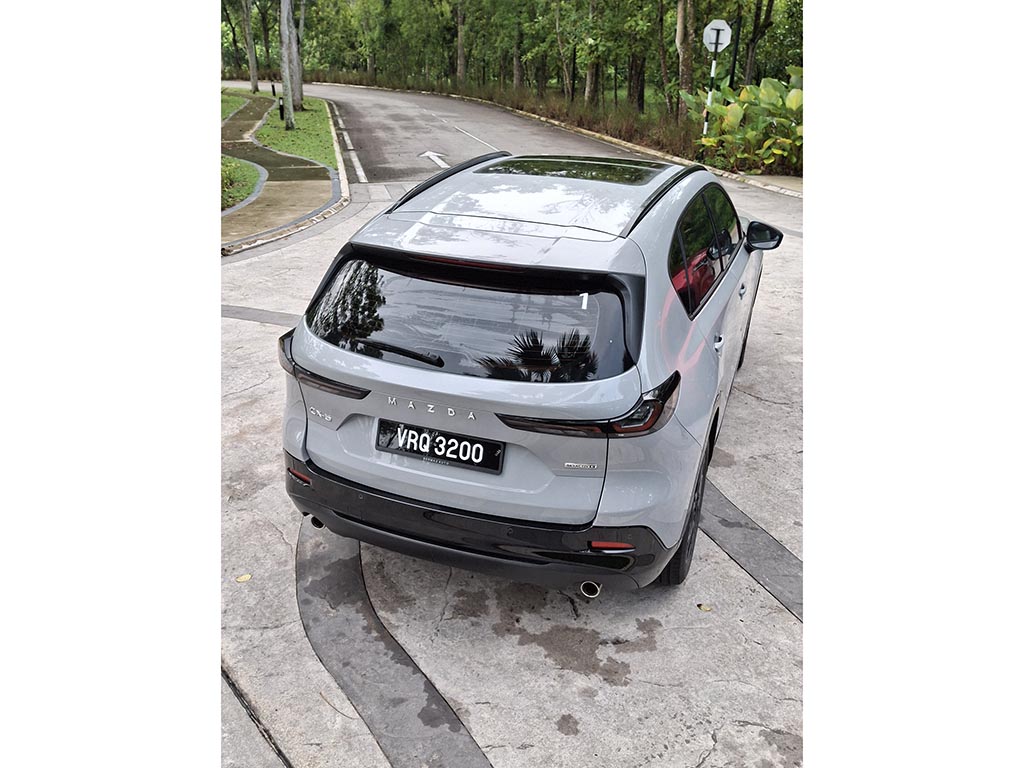
The panoramic sunroof adds a premium touch to the new CX-5 along with the sport tan leather seat upholstery. There was no complains about the wide range of active and passive safety systems, although one of our team members turned off the Driver Monitoring and Driver Attention Alert system (which was located on top of the steering wheel column).
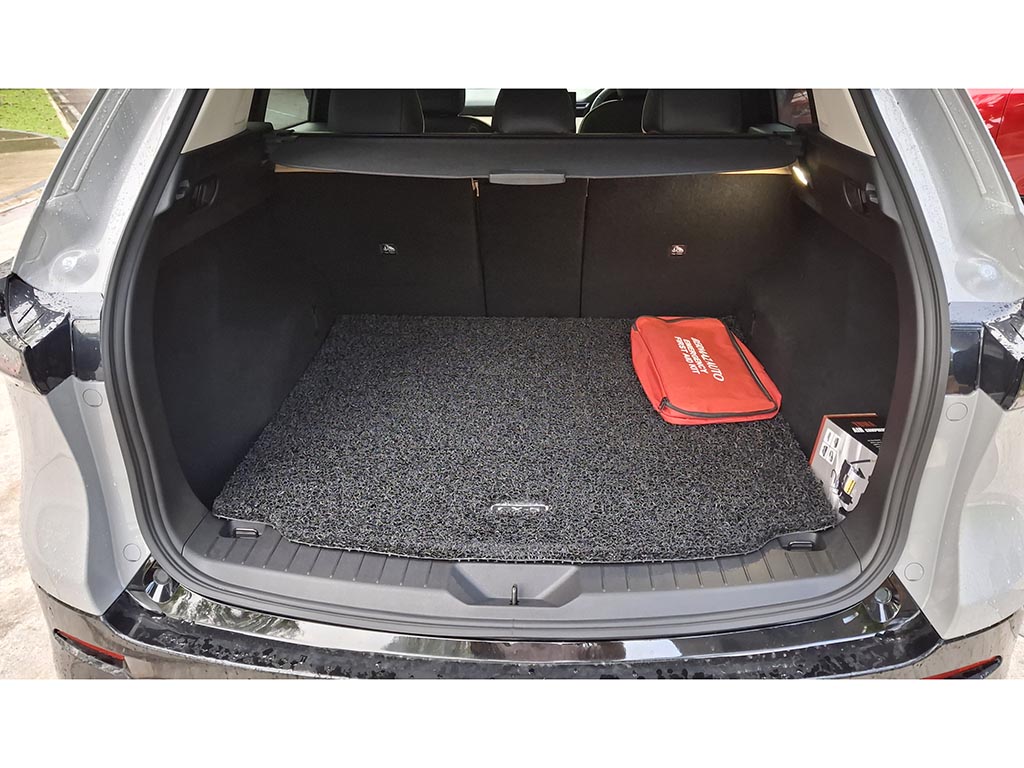
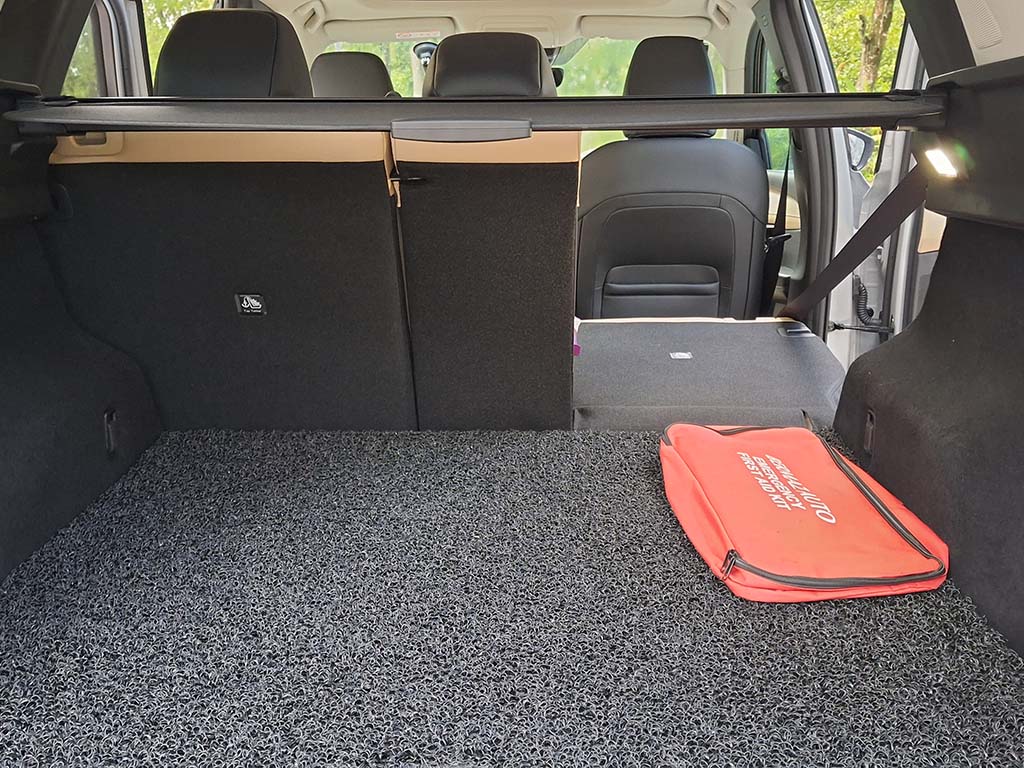
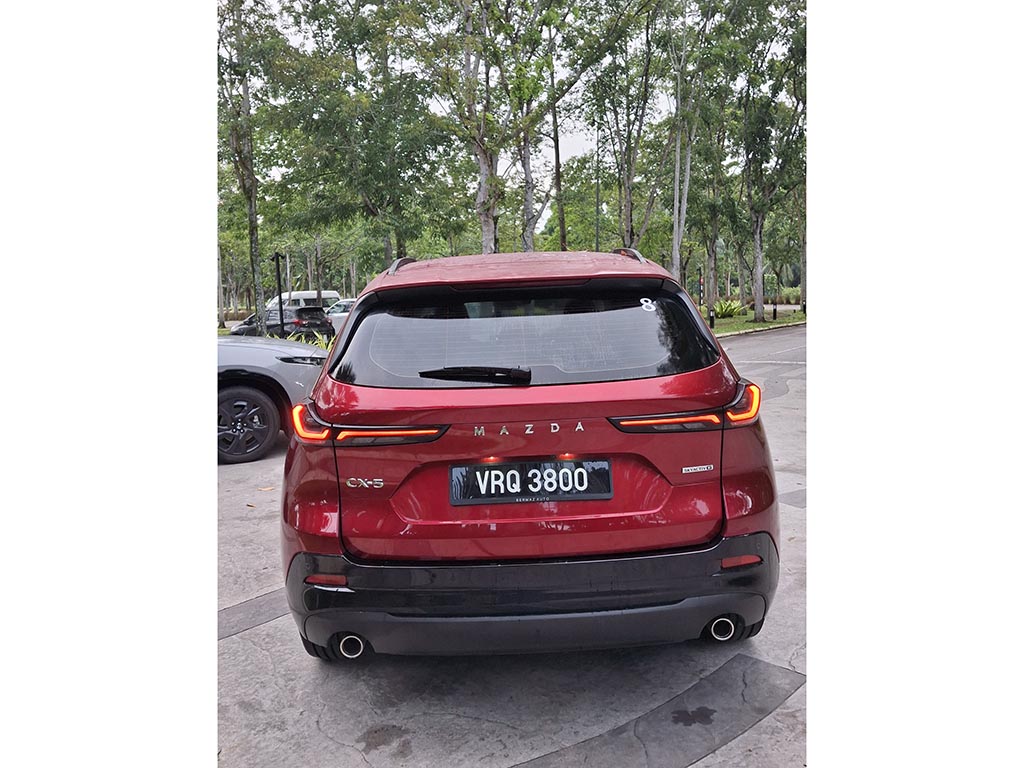
As an SUV for comfortable family motoring, the third-gen CX-5 lived well up to its billing, especially in accommodating holiday luggage with its bigger rear section (which could be extended when needed with the 40:20:40 split rear seatrests). At an on-the-road price of RM171,510.40 (without insurance), the latest CX-5 2.5 is a steal for it has to offer, based on our positive drive experience.
Specifications sheet link HERE